
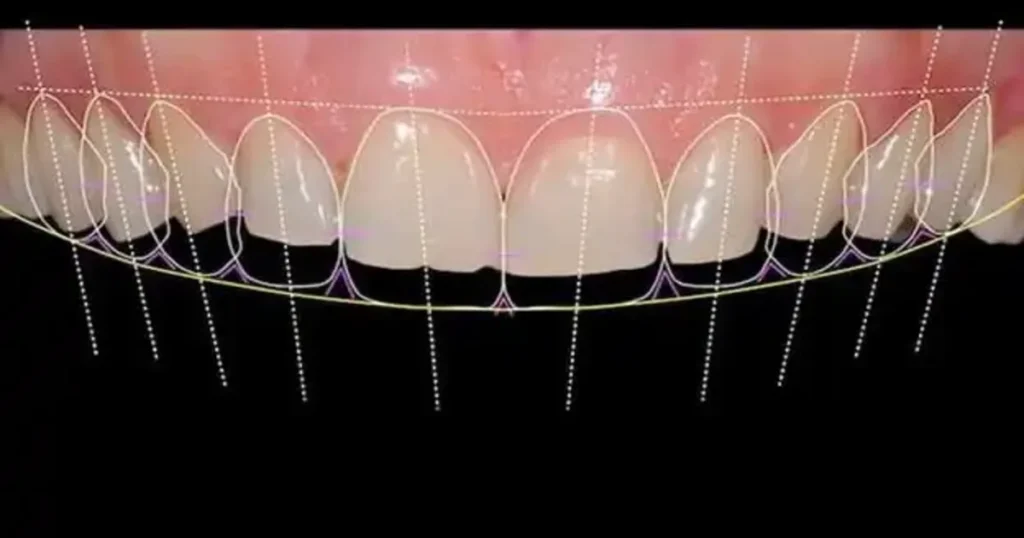
Virtual smile design allows patients to preview their future smile digitally before starting cosmetic dentistry treatment. By using advanced imaging and smile analysis, dentists can simulate potential outcomes, helping patients understand how changes to tooth shape, size, and alignment may look on their own face.
In this article, you’ll learn what virtual smile design is, how digital simulations are created, who benefits most from this approach, and what its limitations are, so you can decide whether it’s the right step before the treatment.
What Is Virtual Smile Design
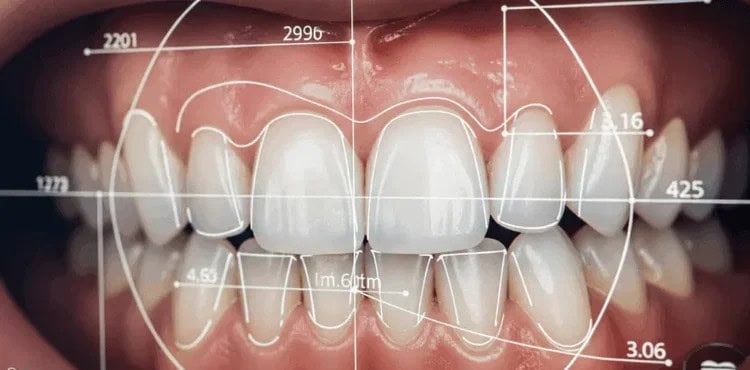
Virtual smile design is a digital planning process that uses photographs, videos, and dental scans to analyze facial features and create a realistic smile preview.
Digital Imaging & Smile Analysis
High-resolution photos and intraoral scans are used to evaluate facial symmetry, lip movement, tooth proportions, and gum display. This analysis helps identify what changes would look natural and balanced rather than generic.
Smile Simulations
Using specialized software, dentists overlay proposed changes onto your real images. Adjustments can include tooth length, width, spacing, and colour. These simulations provide a visual reference for treatments such as dental veneers or dental crowns.
Virtual Previews Guide Treatment Planning
Smile previews help guide decisions before any irreversible work begins. They enable dentists to plan tooth preparation conservatively and align expectations early, thereby reducing surprises later in the process.
Benefits of Seeing Your New Smile Before Treatment
Previewing your smile before treatment gives patients clarity and confidence, especially when considering cosmetic procedures that permanently change tooth appearance.
- Enhances collaboration between the patient and the dentist
A shared visual reference improves communication and reduces misunderstandings during consultations. - Reduces uncertainty before committing to treatment
Seeing a visual preview helps patients understand what changes to expect instead of relying on descriptions or imagination. - Improves confidence in cosmetic decisions
Patients feel more comfortable moving forward when they can visualize how the tooth shape, size, and colour will look on their own face. - Allows adjustments before any dental work begins
Digital previews make it easy to refine details early, helping avoid regret or dissatisfaction after treatment. - Supports more conservative treatment planning
Dentists can plan tooth preparation more precisely, preserving natural tooth structure whenever possible. - Creates realistic expectations
Smile simulations help align what is aesthetically desired with what is clinically achievable.

Who Is a Good Candidate for Virtual Smile Design
Virtual smile design is ideal for patients considering aesthetic changes to their front teeth, especially those unsure about shape, colour, or proportions. It’s commonly used before veneers, crowns, or comprehensive smile makeovers.
Patients who value collaboration and want to be actively involved in treatment planning benefit the most. It can also be helpful for those seeking reassurance before committing to irreversible procedures or coordinating cosmetic work with restorative needs.
Read more: CDCP vs Individual Dental Insurance
How Virtual Smile Design Improves Communication With Your Dentist
Clear communication is essential in cosmetic treatment. Virtual smile design creates a shared visual reference that aligns patient expectations with clinical possibilities. Instead of interpreting descriptions differently, both patient and dentist can point to the same preview.
This approach often leads to smoother consultations, fewer revisions, and more predictable outcomes, especially when cosmetic plans overlap with restorative care such as dental bridges or long-term preventative dental care.
The NIH website has written:
“Today, a virtual smile design can be used as the basis for creating an esthetic virtual setup of the desired final result. The virtual setup, in turn, is used to plan further treatment steps in an interdisciplinary team approach, and communicate the results to the patient.”
Limitations of Virtual Smile Design to Understand
While virtual smile design is a powerful planning tool, it’s important to understand what it can and cannot do before treatment begins.
- Smile simulations are visual guides, not guarantees
Digital previews show potential outcomes but cannot perfectly predict how materials and tissues will respond. - Biological factors affect final results
Healing, enamel quality, and gum response can influence the final appearance after treatment. - Material limitations exist
Veneers and crowns have physical properties that may slightly differ from digital simulations in translucency or texture. - Bite and functional needs may limit aesthetic changes
Cosmetic goals must sometimes be adjusted to maintain proper bite alignment and long-term tooth health. - Technology depends on accurate records
Poor-quality photos or incomplete scans can reduce the accuracy of simulations. - Final refinements often occur after placement
Minor adjustments are commonly needed once restorations are in place, even with careful planning.
Smile previews are best used as a guide, not a promise. A thorough clinical evaluation remains essential to confirm what’s achievable safely and realistically.
Still Need Guidance on Virtual Smile Design?
If you’re considering cosmetic dental treatment and want to understand your options before committing, virtual smile design can provide valuable insight. At Tsawwassen Family Dental, we use digital planning tools to help patients visualize outcomes and make confident, informed decisions.
Make Informed Choices Through Virtual Smile Design
Virtual smile design bridges the gap between imagination and reality by allowing patients to see potential results before treatment begins. It improves planning, communication, and confidence, making cosmetic decisions more informed and collaborative.
At Tsawwassen Family Dental, virtual smile design is utilized as part of comprehensive consultation and treatment planning, enabling patients to move forward with clarity and realistic expectations.
FAQ
Below are answers to common questions patients ask about virtual smile design and what it can and cannot do.
-
Is virtual smile design accurate?
It is highly accurate for planning and visualization, but final results can vary slightly based on clinical and biological factors.
-
Does virtual smile design guarantee final results?
No. It provides a realistic preview to guide expectations, not a guarantee of exact outcomes.
-
Is virtual smile design used for veneers and crowns only?
It’s most commonly used for veneers and crowns, but can also support broader cosmetic and restorative treatment planning.
Would seeing a digital preview of your smile make you feel more confident about treatment?
Share your thoughts or questions with us.