

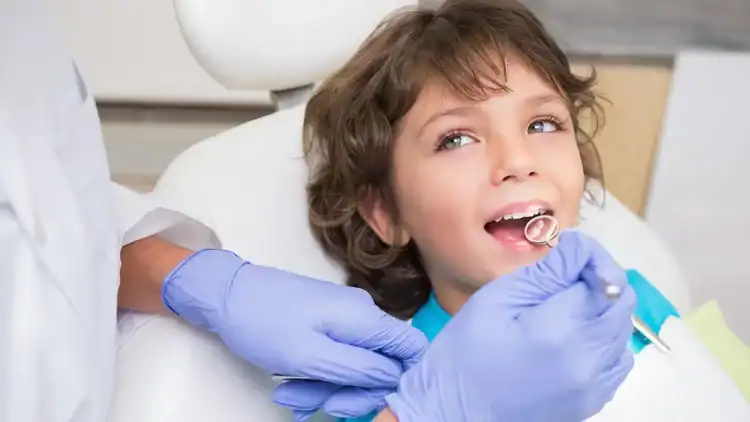
A back-to-school dental checklist should cover your child’s dental exam, home care routine, school lunches, sports protection, and any active orthodontic treatment. If your child is due for a dental checkup or has tooth pain, sensitivity, swelling, or a damaged tooth, arranging pediatric dental care before classes begin can prevent the problem from becoming harder to manage during the school year.
Parents should also check toothbrush supplies, review brushing habits, inspect sports mouthguards, and make plans for dental emergencies at school. The sections below explain which tasks deserve attention before the first day of school.
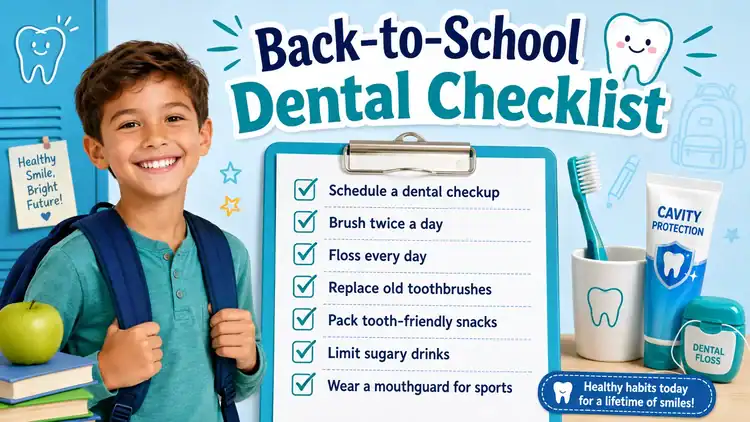
Back-to-School Dental Checklist for Kids
Use this checklist before the school year begins:
- Confirm whether your child is due for a dental examination.
- Arrange any recommended professional cleaning.
- Complete treatment for known cavities or painful teeth.
- Ask about sealants if permanent molars have recently erupted.
- Replace a toothbrush with worn or frayed bristles.
- Restock fluoride toothpaste and floss.
- Check the fit and condition of a sports mouthguard.
- Review oral hygiene around braces or orthodontic appliances.
- Pack tooth-friendly lunches and make water the usual school drink.
- Give the school current parent and dental office contact information.
Schedule a Dental Exam and Cleaning
A dental visit before school can be useful if your child is already due for an examination. It does not need to be an extra appointment simply because school is starting.
The appropriate interval between dental examinations depends on the child’s cavity risk, dental development, gum health, and previous dental problems. The American Academy of Pediatric Dentistry recommends that the timing of periodic examinations and preventive care be based on individual risk rather than one schedule for all children.
During the appointment, the dentist can examine existing restorations and developing permanent teeth. Dental X-rays may be recommended when they provide information that cannot be obtained through the clinical examination. They are not automatically required at each back-to-school visit.
Check for Cavities, Sealants, and Developing Teeth
A cavity can be present before a child complains about pain. White or brown areas on a tooth, sensitivity, food trapping, or a visible hole should be assessed rather than left until the school term becomes busy.
The dentist may also check recently erupted permanent molars. Their deep grooves can trap plaque and food, which makes some of these teeth suitable for dental sealants.
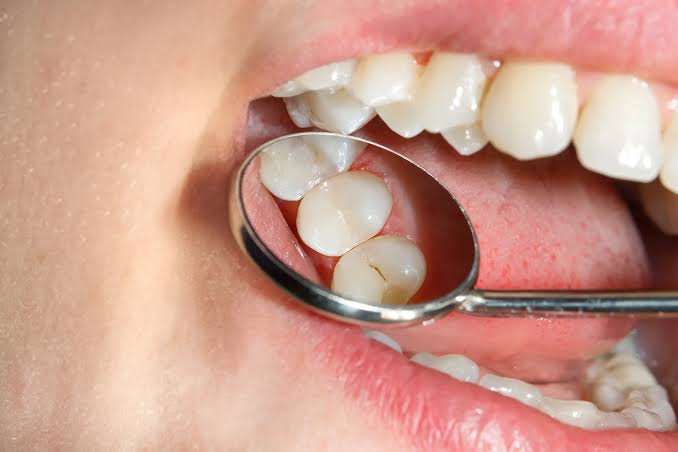
Sealants form a protective coating over the chewing surfaces of back teeth. The CDC reports that sealants applied to permanent molars can prevent about 80% of cavities during the first two years after placement. First permanent molars generally erupt at about age six, while second permanent molars commonly appear around age 12.
Sealants are not automatically required on each molar. The dentist considers the shape of the grooves and the child’s cavity risk before recommending them.
Replace Worn Toothbrushes and Restock Dental Supplies
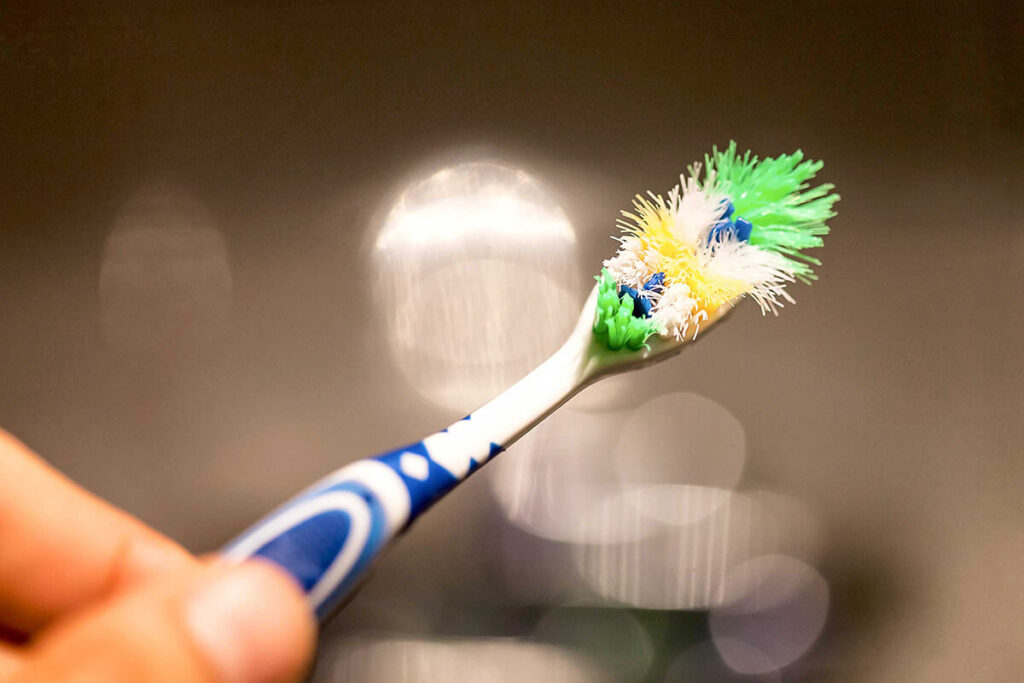
Check your child’s toothbrush before school starts. The Canadian Dental Association recommends replacing a toothbrush about every three months, or sooner if the bristles become bent or worn. A soft-bristled brush that fits comfortably in the child’s mouth is appropriate for daily cleaning.
Useful supplies to restock include:
- Fluoride toothpaste
- Dental floss or another dentist-recommended interdental cleaner
- A spare toothbrush for travel or overnight activities
- Orthodontic cleaning supplies for children with braces
- A ventilated case for a sports mouthguard
Children younger than six should be supervised during brushing and should use only a small amount of fluoride toothpaste.
Get Brushing and Flossing Routines Back on Schedule
Summer schedules can shift bedtimes and morning routines. Before school begins, restore a consistent time for brushing in the morning and before bed.
School-aged children should brush twice daily with fluoride toothpaste. Health Canada advises children aged 7 to 12 to brush for at least two minutes and clean between their teeth daily with floss or another appropriate interdental cleaner. Some children in this age group still need parental supervision to clean difficult areas properly.
A useful routine is:
- Brush after breakfast before leaving for school.
- Clean between teeth once during the day, often as part of the evening routine.
- Brush again before bed.
- Check areas around new permanent molars or orthodontic appliances.
Parents should continue checking brushing quality until the child has the coordination and consistency to manage it independently.
Pack School Lunches That Are Better for Teeth
The frequency of sugar exposure matters to tooth decay. Oral bacteria use sugars in foods and drinks to produce acids that attack enamel. Repeated sipping and snacking can expose teeth to these acids repeatedly during the school day.
Water is usually the best drink to pack for school. Health Canada recommends water in place of sugary drinks and notes that frequent sugary drinks can increase cavity risk in children.
Lunches can include foods such as:
- Raw vegetables
- Whole fruit
- Plain yogurt
- Cheese
- Eggs
- Other foods with little added sugar

Sticky candies, frequent juice, pop, and sweetened sports drinks should be limited. A single sweet food eaten with a meal generally exposes teeth to sugar for a shorter period than repeated sugary snacks throughout the day.
Children involved in sports usually do not need a sugary sports drink for routine school practices. Water is suitable for most normal school-day hydration.
Check Your Child’s Mouthguard Before Sports Begin
Children participating in contact sports or activities with a risk of falls should have an appropriate sports mouthguard. Mouthguards help reduce the risk of broken teeth and injuries to the soft tissues of the mouth.
Before the sports season begins, inspect the mouthguard for:
- Cracks or tears
- Areas that have become thin
- Chewed edges
- A loose fit
- Distortion caused by heat
- Changes in fit after new teeth have erupted
Children may outgrow mouthguards as their teeth and jaws develop. The American Dental Association recommends replacing a mouthguard if it is damaged or no longer fits properly.
Bring the mouthguard to a dental visit if you are uncertain about the fit. A dentist can check that it stays securely in place without interfering excessively with breathing or speech.
Prepare Your Child’s Teeth for the School Year
If your child is due for a dental exam or has a tooth that needs attention, contact Tsawwassen Family Dental to arrange an appointment before the school schedule becomes busy.
What Parents of Kids With Braces Should Check
Children receiving orthodontics need to pay particular attention to plaque around brackets and wires. Food can collect around fixed appliances, which can increase the risk of enamel changes and cavities when oral hygiene is inconsistent.
Before school begins, check that your child has:
- A toothbrush suitable for cleaning around brackets
- Fluoride toothpaste
- Floss threaders, interdental brushes, or another recommended cleaner
- Orthodontic wax for irritating brackets or wires
- A small cleaning kit for school if needed
If your child plays sports, the mouthguard must fit over the orthodontic appliance. A standard tight-fitting mouthguard may become unsuitable as teeth move. The American Association of Orthodontists recommends a properly fitted sports mouthguard for children with braces because it can protect the teeth and reduce injuries caused by brackets during impact.
Removable retainers should generally be taken out during contact sports and stored safely.
Dental Problems to Treat Before School Starts
Do not wait for the first week of classes if your child already has a dental problem. Arrange an assessment for:
- Persistent toothache
- Pain when chewing
- Sensitivity that does not settle
- A broken or chipped tooth
- A loose or lost filling
- Swelling near a tooth
- Bleeding or swollen gums that persist
- A permanent tooth that appears damaged
- An orthodontic wire that repeatedly causes injury
Untreated cavities can become larger and may eventually cause pain or tooth breakage. The NIH says:
“Untreated tooth decay in children can interfere with growth, sleeping, eating, and speech development; can cause poor self-esteem; and result in missed school days.”
Completing necessary cavities and fillings before school can also make appointments easier to schedule without disrupting classes.
Facial swelling associated with a dental infection requires prompt professional assessment. Significant swelling accompanied by difficulty swallowing or breathing requires emergency medical care.
What to Include in a School Dental Emergency Kit
Parents do not need to send a large dental kit to school. A few basic items and clear instructions can make an unexpected dental injury easier to handle.
A small kit can include:
- Sterile gauze
- A small clean container with a lid
- The parent or guardian’s current phone number
- The child’s dental office contact information
- Orthodontic wax for a child with braces
- A spare retainer or aligner case if applicable
The school should also know who to contact after a dental injury.
For a knocked-out permanent tooth, time matters. The tooth should be handled by the crown rather than the root. If immediate replantation is not possible, current dental trauma guidance recommends keeping the tooth moist in a suitable storage medium such as milk and seeking urgent dental treatment. A knocked-out primary tooth should not be replanted.
A cracked tooth, uncontrolled bleeding, significant facial injury, severe tooth pain, or facial swelling also warrants prompt dental emergency care.
The AAPD identifies trauma, pain, infection, swelling, and uncontrolled bleeding as dental emergencies that require access to appropriate care.
Conclusion
A useful back-to-school dental checklist covers dental appointments, home hygiene, lunches, mouthguard fit, and active orthodontic needs. Addressing an existing cavity or damaged tooth before classes start can also reduce the chance of an unexpected dental visit during the school week.
Tsawwassen Family Dental can assess your child’s teeth and review preventive needs before the new school year. Families can rely on preventative dental care for checkups, professional cleaning recommendations, sealant assessment, and practical advice based on the child’s current oral health.
FAQ
These answers cover common questions parents have while preparing their children for the school year.
-
Should Children Have a Dental Checkup Before School Starts?
A pre-school checkup is useful if your child is due for an examination or has a dental concern. An additional visit is not necessary solely because school is starting if your child is already following the schedule recommended by their dentist.
-
How Often Should Children Get Their Teeth Cleaned?
There is no single cleaning interval that is appropriate for all children. The dentist or dental hygienist recommends the timing based on plaque buildup, cavity risk, gum health, and other clinical findings.
-
Does My Child Need Dental Sealants?
Sealants may be recommended for permanent molars with deep pits and grooves, particularly when cavity risk is higher. The dentist can assess newly erupted molars and determine if sealants would provide useful protection.
-
When Should a Child’s Toothbrush Be Replaced?
The Canadian Dental Association recommends replacing a toothbrush about every three months. Replace it sooner when the bristles become frayed or worn.
-
What Should Parents Do If a Child Has a Dental Emergency at School?
Ask the school to contact you and a dentist promptly. For a knocked-out permanent tooth, keep the tooth moist and seek urgent dental care. Do not replant a knocked-out baby tooth.