

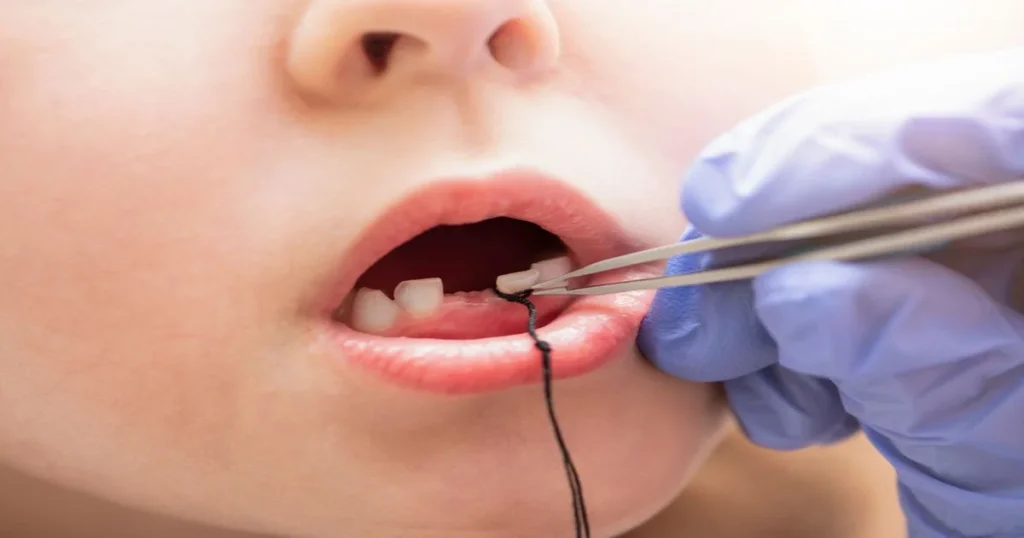
Discovering your child needs a tooth extraction can be a source of worry for any parent. In Vancouver and Delta, many families face this situation, wondering about the process, potential discomfort, and how to best support their child. Understanding the path of a tooth extraction in children, from the initial assessment to full recovery, helps alleviate anxiety and ensures the best outcome for your little one.
We will cover why extractions become necessary, how to prepare your child, what happens during the procedure, and essential aftercare tips to ensure a comfortable and speedy recovery.
Why Children Need a Tooth Extraction
While baby teeth are temporary, they play a vital role in a child’s development, guiding permanent teeth into place and assisting with speech and chewing. Sometimes, however, a baby tooth removal procedure becomes necessary for a child’s overall oral health.

Common Reasons for Extraction
- Severe Decay: When a cavity is too extensive to be repaired with a filling or crown, and threatens the health of adjacent teeth or the developing permanent tooth underneath, extraction is often the best course. An infected baby tooth extraction prevents the spread of infection.
- Infection or Abscess: Untreated decay can lead to a painful infection or abscess, requiring immediate removal to protect the child’s health.
- Trauma or Injury: Accidents can cause severe damage to a tooth, making extraction the only viable option to prevent further complications.
- Over-Retained Primary Teeth: Sometimes, baby teeth don’t fall out on their own, blocking the eruption of permanent teeth. An extraction creates space for the new tooth.
- Orthodontic Reasons: To create necessary space for orthodontic treatment, a dentist might recommend removing certain primary teeth.
The NIH also says:
“20.4% children were having tooth loss due to various reasons. The main reason for extraction was found to be caries in 64.3% followed by trauma in maxillary teeth among 43.02% of children.”
Understanding Baby Teeth vs. Permanent Teeth
Baby teeth, also known as primary teeth, are crucial for a child’s oral development. They hold space for the permanent teeth that will follow. When a baby tooth needs to be removed prematurely, your dentist might discuss space maintainers to ensure the permanent tooth erupts correctly. This is a key consideration when deciding when to pull baby teeth.
Before the Extraction: Preparing Your Child
Preparation is key to a smooth experience. A calm, informed child is more likely to cooperate and feel less anxious.
The Consultation and Assessment
Before any pediatric dental extraction, your pediatric dentist will conduct a thorough examination, including X-rays. This helps determine the exact reason for the extraction and plan the procedure. Feel free to ask any questions during this appointment; understanding the process will help you explain it to your child.
Get Expert Advice
If you have concerns about your child’s teeth or believe an extraction might be necessary, do not hesitate to reach out. Our dedicated team is here to provide compassionate, expert care for your family in the Vancouver and Delta area.
Discussing the Procedure with Your Child
Honesty and simplicity work best. Explain to your child that the tooth needs to come out to make space for a new tooth or to stop any discomfort. Use positive language, avoiding scary words. Reassure them that the dentist will be gentle and help them feel comfortable. Focus on the positive outcome, like feeling better afterwards or the excitement of the “tooth fairy” visit.
Teeth Extraction Process
Knowing what to expect during the appointment can help both you and your child feel more prepared.
Pain Control and Sedation Options
The primary goal during a tooth extraction is to ensure your child’s comfort. Your dentist will discuss various pain control options:
- Local Anesthetic: This numbs the area around the tooth, making the procedure painless. It’s similar to what adults receive for fillings.
- Nitrous Oxide (Laughing Gas): A common and safe option for children, nitrous oxide helps them relax and feel less anxious while remaining fully conscious.
- Oral Sedation: For children with significant anxiety, a prescribed medication can help them relax during the appointment.
- IV Sedation or General Anesthesia: In more complex cases or for very anxious children, these options might be considered, administered by a qualified anaesthesiologist. Your dentist will discuss which sedation for children’s extractions is most suitable.
The Extraction Steps
The baby tooth removal procedure is usually straightforward. After the area is thoroughly numbed and any chosen sedation takes effect, the dentist will gently loosen the tooth and remove it. The process is typically quick. Once the tooth is out, a small piece of gauze is placed over the extraction site to help a blood clot form, which is essential for healing.
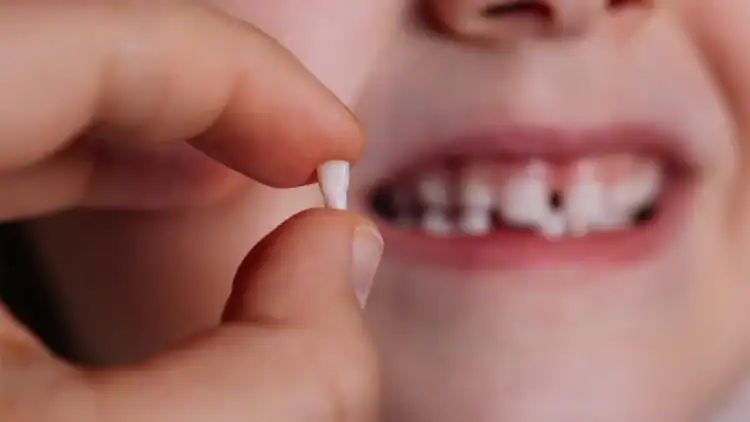
After the Extraction: Essential Recovery and Care
Proper child tooth extraction recovery is crucial for preventing complications and ensuring your child heals comfortably.
Immediate Post-Extraction Care
Your child will need to bite down on the gauze pad for about 30-45 minutes to encourage clotting. Once the bleeding stops, you can remove the gauze. It’s normal for some oozing to continue for a few hours. Avoid rinsing or spitting vigorously for the first 24 hours, as this can dislodge the blood clot.
Managing Pain and Swelling
Mild pain and swelling are common after a tooth extraction. You can manage this with over-the-counter pain relievers recommended by your dentist, such as acetaminophen or ibuprofen. Applying a cold compress to the outside of the cheek near the extraction site can help reduce swelling in the first 24 hours.

Diet and Oral Hygiene
For the first few days, stick to soft foods that are easy to chew and swallow, like yogurt, applesauce, mashed potatoes, and soups. Avoid hot, spicy, crunchy, or sticky foods. Encourage your child to drink plenty of fluids, but avoid straws, as the sucking motion can dislodge the blood clot. Gentle oral hygiene is still important; brush carefully around the extraction site and rinse with warm salt water (after 24 hours) to keep the area clean.
Potential Complications and When to Call Your Dentist
While most after-tooth-extraction child care proceeds smoothly, be aware of potential issues. Contact your dentist if your child experiences:
- Excessive bleeding that doesn’t stop with pressure.
- Severe pain that isn’t relieved by medication.
- Persistent swelling after 2-3 days.
- Fever or signs of infection (pus, foul taste).
- Difficulty opening their mouth.
Conclusion
A tooth extraction in children, while sometimes necessary, is not always a frightening experience. With proper preparation, gentle care from an experienced pediatric dentist in Tsawwassen and Delta, and attentive aftercare, your child can have a smooth treatment. Remember, early detection and regular dental checkups are key to minimizing the need for such procedures.
FAQ
-
Is it okay to pull a child’s baby tooth at home?
No, it is generally not recommended to pull a child’s baby tooth at home unless it is very loose and ready to come out naturally. Attempting to pull a tooth prematurely can cause pain, infection, or damage to the underlying permanent tooth. Always consult a dentist if a baby tooth needs to be extracted.
-
How long does a child’s tooth extraction take?
The actual extraction procedure for a baby tooth is usually very quick, often just a few minutes, once the area is numb and the child is comfortable. The entire appointment, including preparation and recovery time in the chair, might take longer depending on the child’s needs and any sedation used.
-
Will my child need a space maintainer after a baby tooth extraction?
If a baby tooth is removed prematurely, especially a molar, your dentist might recommend a space maintainer. This small appliance helps hold the space open for the permanent tooth, preventing adjacent teeth from shifting and blocking its eruption.
-
When can my child return to school or normal activities?
Most children can return to school the day after a simple tooth extraction. However, strenuous physical activity should be avoided for 24-48 hours to prevent increased bleeding or swelling.