

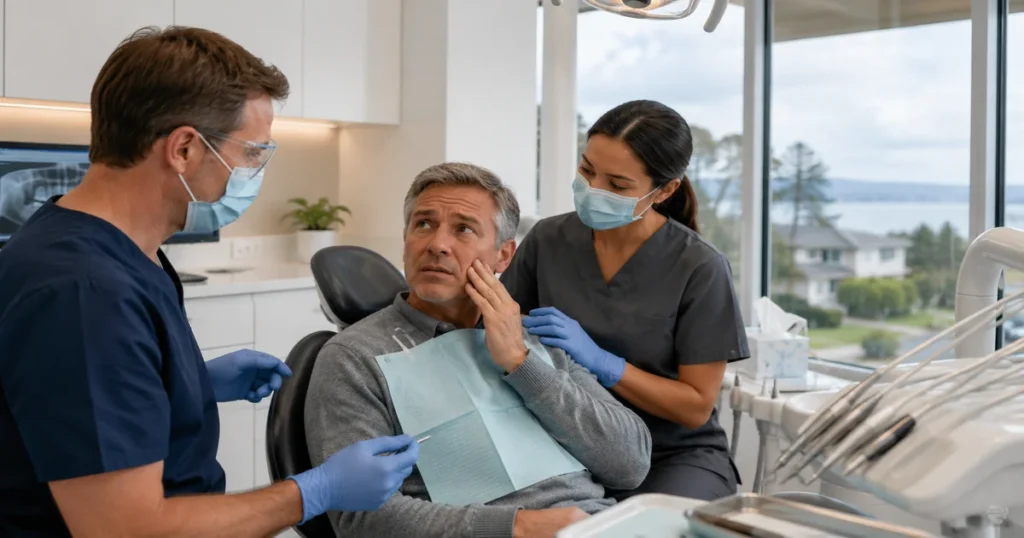
A sudden dental emergency can be alarming and painful. When you experience unexpected pain, a knocked-out tooth, or other urgent dental issues in Tsawwassen, knowing what to do immediately can protect your oral health and reduce discomfort. Dental emergencies often strike without warning, making quick thinking essential.
At Tsawwassen Family Dental, we understand the stress these situations bring. We are here to provide prompt care when you need it most. If you are experiencing a dental emergency, just call us at (604) 330-0353. We keep same-day slots for emergency cases.
In this guide, we offer some practical first aid steps to take before you reach our clinic.
What Counts as a Dental Emergency in Tsawwassen
Identifying a true dental emergency is the first step toward getting the right care. Not all dental issues require immediate attention, but certain conditions cannot wait.
According to NIH:
Most dental emergencies can be categorized into one of three main etiologies: traumatic, infectious, and post-procedural complications. Regardless of their category, most untreated dental emergencies can become extremely painful, progress to deep space infections affecting the contiguous surrounding structures of the neck and facial sinuses, or lead to airway compromise.
Anyways, these are the main and the most common dental emergencies:
Severe tooth pain and dental infections
Intense, persistent tooth pain is a clear sign of an urgent problem. This pain often indicates a deep cavity, an abscess, or a dental infection. An infection can spread, leading to more serious health complications. Symptoms of a dental infection might include throbbing pain, sensitivity to hot or cold, or a foul taste in your mouth. If you have any of these dental infection symptoms, seeking prompt attention is important.
Experiencing a Dental Emergency in Tsawwassen?
If you experience a dental emergency in Tsawwassen, do not delay seeking professional care. Contact a trusted dental clinic as soon as possible so you can receive prompt treatment and protect your smile from further complications.
Knocked out, broken, or cracked teeth
A tooth that has been knocked out entirely, or one that is significantly broken or cracked, requires immediate professional attention. A knocked-out tooth has the best chance of being saved if re-implanted within a short timeframe. Broken or cracked teeth can expose sensitive inner layers, leading to pain and potential infection. Even a small crack can sometimes cause severe discomfort or lead to further damage if left untreated.
Swelling, bleeding, and facial trauma
Any uncontrolled bleeding from the mouth, significant swelling in your gums or face, or facial trauma affecting your jaw or teeth warrants immediate care. Swelling can indicate a severe infection or abscess that needs urgent drainage. Facial trauma, whether from an accident or injury, can cause damage to teeth, gums, and surrounding bone structures.
What to Do Before You Reach the Dental Clinic
When a dental emergency strikes, your first step should always be to contact Tsawwassen Family Dental. Our team prioritizes urgent cases and can provide immediate advice over the phone. Staying calm helps you assess the situation accurately and follow instructions effectively. Gather as much information as you can about what happened and your symptoms; this helps us prepare for your arrival.
While you wait to be seen, there are several crucial first aid steps you can take to manage pain and prevent further damage. These actions are not a substitute for professional care but can significantly improve the outcome of your emergency. Remember, time is often a critical factor in saving a tooth or preventing an infection from worsening.
Read more: What Should I Do If I Have a Dental Emergency?
Dental Emergency First Aid for Common Situations
Knowing specific first aid steps for various dental emergencies can make a big difference. Here are some common situations and how to handle them
For a Knocked-Out Tooth
Handle the tooth carefully by the crown, not the root. If dirty, rinse it gently with water (do not scrub or use soap). Try to reinsert the tooth into its socket. If that is not possible, place the tooth in a small container of milk or a tooth preservation kit. If neither is available, keep it in your mouth next to your cheek.
For a Chipped or Broken Tooth
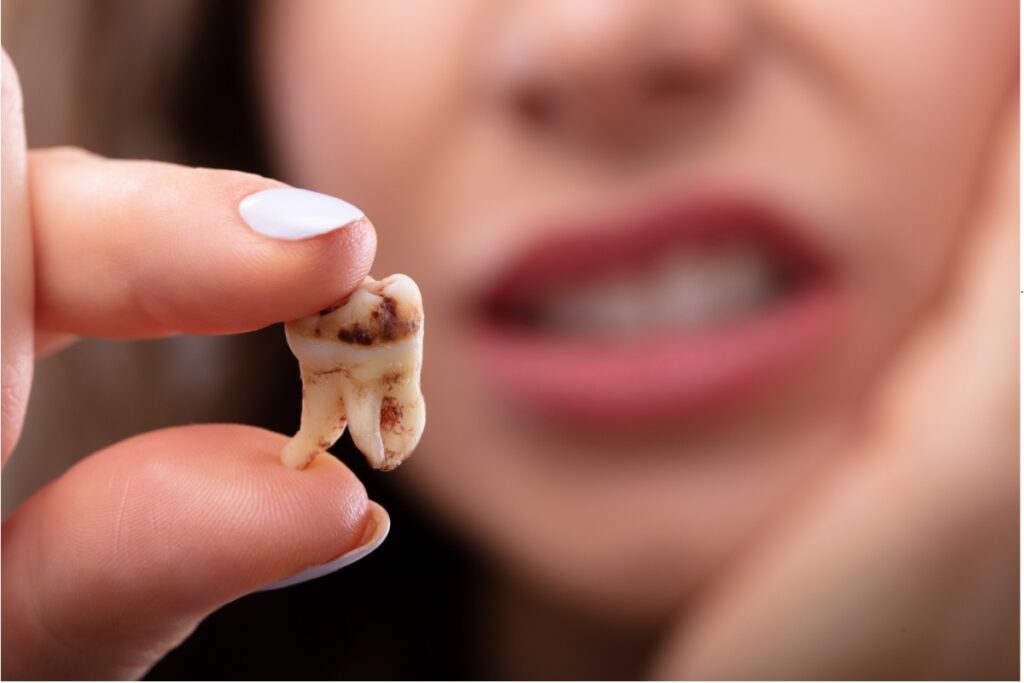
Rinse your mouth with warm water to clean the area. If there is bleeding, apply a piece of gauze to the area for about 10 minutes. Apply a cold compress to the outside of your mouth, cheek, or lip near the injured area to reduce swelling. Collect any broken tooth fragments if you can. We can often repair a broken tooth, sometimes using options such as dental crowns.
For Severe Toothache or Infection
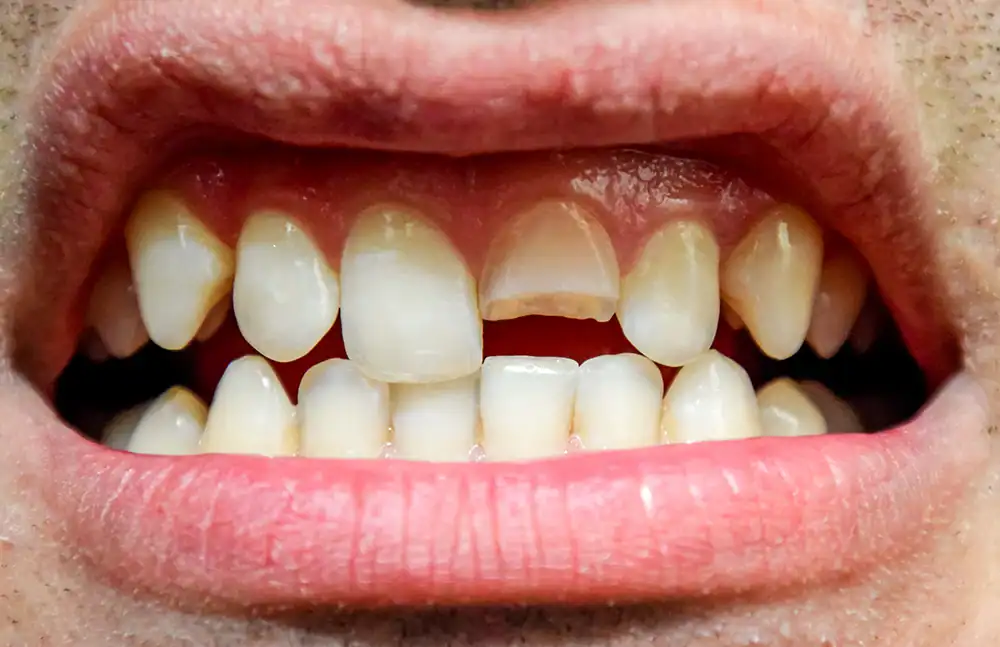
Rinse your mouth thoroughly with warm salt water to clean the area and reduce inflammation. Gently floss around the affected tooth to remove any trapped food particles. Do not place aspirin directly on your gums or teeth; this can burn the gum tissue. Take an over-the-counter pain reliever like ibuprofen or acetaminophen, following dosage instructions. Contact us as soon as possible for relief from severe tooth pain.
For a Lost Filling or Crown
If you find the crown, bring it with you. You might be able to temporarily reattach it using dental adhesive, toothpaste, or even sugar-free chewing gum. For a lost filling, you can temporarily seal the cavity with sugar-free chewing gum or dental wax.
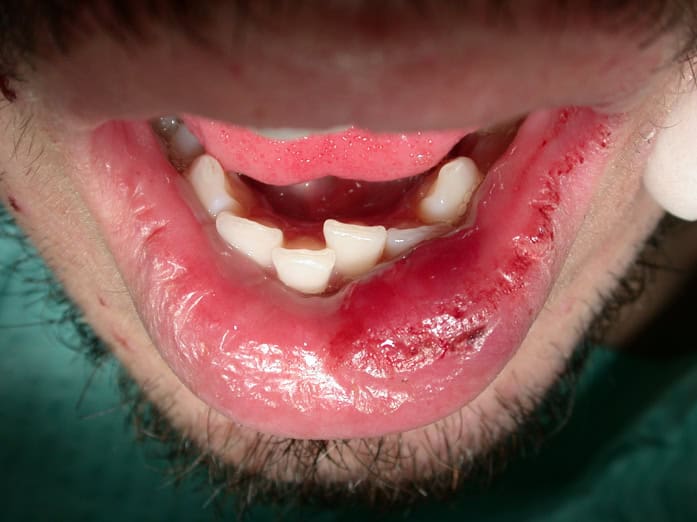
For Soft Tissue Injuries (Gums, Tongue, Cheek, Lips)
Rinse your mouth with a mild salt-water solution. Apply direct pressure to the bleeding area with a clean piece of gauze or cloth for 10-15 minutes. A cold compress on the outside of your mouth or face can help reduce swelling and discomfort. If the bleeding does not stop or if the wound is deep, seek immediate professional help.
When to Go to the Emergency Room Instead of a Dentist
There are specific situations where a hospital emergency room visit is necessary. These typically involve broader health concerns or severe trauma that extends beyond the scope of immediate dental care.
You should go to the emergency room if you experience:
- Severe, uncontrolled bleeding: If you cannot stop the bleeding with direct pressure after 15 minutes, or if the bleeding is profuse.
- Rapidly spreading infection: If an infection causes swelling that affects your breathing or swallowing, or if it spreads to your eye or neck.
- Serious facial trauma: This includes a fractured or dislocated jaw, or other injuries to the head and neck that might involve concussion or broken bones beyond just teeth.
- Signs of systemic illness: Such as a high fever, chills, or extreme weakness, especially if you have a compromised immune system.
In these cases, the priority is to stabilize your overall health before addressing the specific dental injury.
How to Reduce the Risk of Future Dental Emergencies
Preventing dental emergencies is always better than treating them. While accidents happen, many common urgent dental issues can be avoided with proactive care and simple precautions. Here are key steps you can take to reduce the risk of future dental emergencies:
- Maintain Excellent Oral Hygiene: Brushing twice a day and flossing daily removes plaque and food debris, preventing cavities and gum disease that can lead to infections and pain.
- Regular Dental Check-ups: Visiting Tsawwassen Family Dental for regular examinations and cleanings allows us to identify and address potential problems early, before they escalate into an emergency. Early detection of cavities, cracks, or gum issues can prevent severe tooth pain or tooth loss.
- Wear a Mouthguard During Sports: If you play contact sports or participate in activities with a risk of facial impact, a custom-fitted mouthguard can protect your teeth from being knocked out, chipped, or broken.
- Avoid Chewing Hard Foods: Biting down on hard candies, ice, popcorn kernels, or non-food items like pens can cause teeth to chip, crack, or even break.
- Do Not Use Your Teeth as Tools: Opening packages, bottles, or tearing things with your teeth puts unnecessary stress on them and can lead to damage.
- Address Bruxism (Teeth Grinding): If you grind your teeth, especially at night, discuss this with us. A nightguard can protect your teeth from excessive wear and fracture, which can otherwise lead to unexpected urgent dental care needs.
Conclusion
Experiencing a dental emergency in Tsawwassen can be a distressing event, but knowing how to react can make a significant difference. By understanding what constitutes an emergency and taking appropriate first aid steps, you can protect your oral health and reduce discomfort. Remember, these first aid measures are temporary solutions; prompt professional care is essential for the best outcome.
At Tsawwassen Family Dental, we are dedicated to providing timely and compassionate care for all your urgent dental needs. Do not hesitate to reach out to us during a dental emergency. Our team is here to support you and restore your comfort and oral health.
FAQ
-
What should I do if I have a severe toothache at night in Tsawwassen?
Rinse your mouth with warm salt water, gently floss to remove any trapped food, and take an over-the-counter pain reliever as directed. Avoid placing aspirin directly on the tooth or gums. If the pain is accompanied by swelling that affects your breathing or swallowing, head to the nearest emergency room.
-
Can I put a knocked-out tooth back in myself?
Yes, if possible. After rinsing the tooth gently (holding it by the crown), try to reinsert it into the socket. If it goes in, hold it in place with light pressure or bite down on gauze. If you cannot reinsert it, place it in milk or a tooth preservation kit.
-
How quickly do I need to see a dentist for a chipped tooth?
For a minor chip without pain or an exposed inner tooth, it might not be an immediate emergency, but you should still schedule an appointment soon to prevent further damage or sensitivity. If the chip is large, painful, or has exposed the inner pulp, it is an urgent matter.