

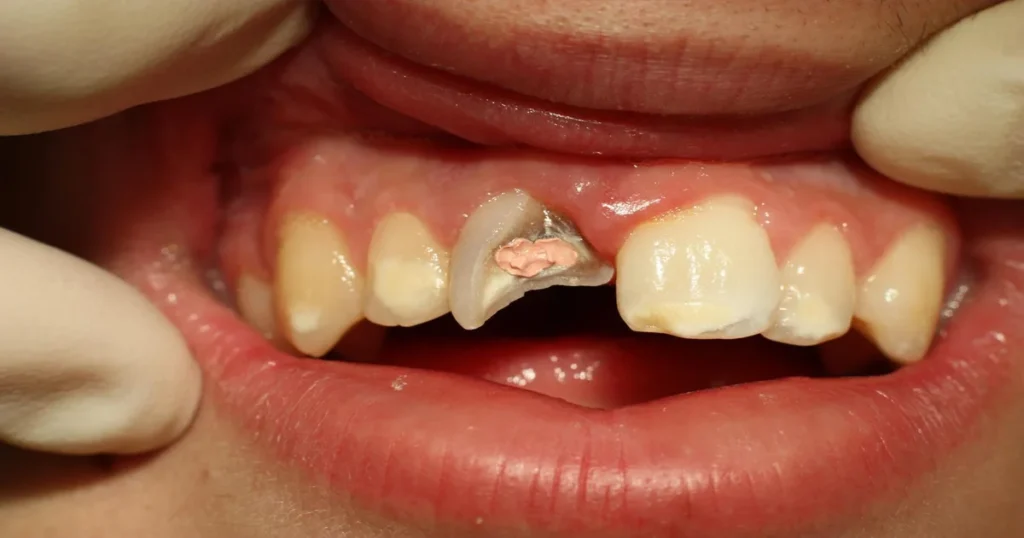
Experiencing a broken tooth can be unsettling. Whether it’s a small chip or a more serious fracture, knowing how to respond immediately, such as visiting an emergency dentist in Delta, can make the difference between saving your tooth and needing more complicated dental treatment.
In case of severe dental emergencies, call us at (604) 330-0353. We welcome emergency cases and keep same-day slots free for them. If you just want to know what to do with a broken tooth, read on. This guide provides clear, actionable steps for managing a broken tooth, from the moment it happens to the professional care you will need.
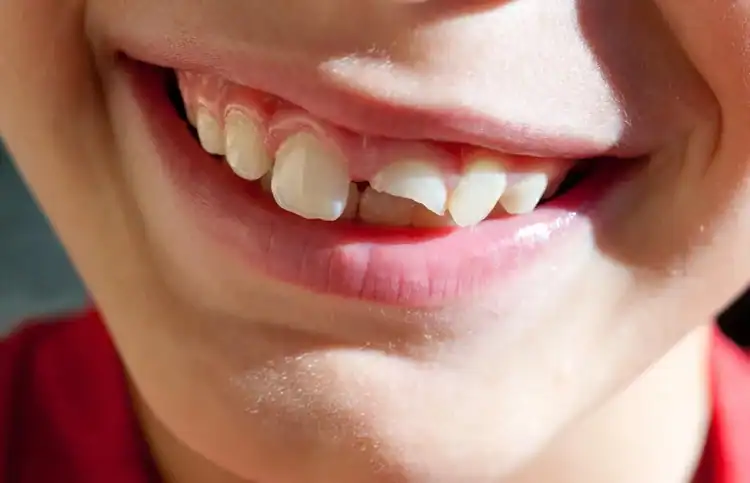
Immediate Steps When You Break a Tooth
Time is critical when you have a broken tooth. Quick action helps manage pain, prevents further damage, and improves the chances of a successful repair. Here is what you should do right away:
- Rinse Your Mouth: Gently rinse your mouth with warm water. This cleans the area and can help wash away any small fragments of the tooth.
- Locate and Save Fragments: If you can find any pieces of the broken tooth, pick them up carefully. Store them in a small container of milk or saliva. Sometimes, these fragments can be reattached.
- Control Bleeding: If there is bleeding, apply a clean piece of gauze or a tea bag to the area for about 10 minutes, or until the bleeding stops.
- Reduce Swelling: Apply a cold compress or an ice pack to the outside of your cheek or lip near the injured area. This helps to minimize swelling and alleviate some discomfort.
- Manage Pain: Take an over-the-counter pain reliever, such as ibuprofen or acetaminophen, following the dosage instructions. Do not place aspirin directly on the gums, as it can burn the tissue.
- Contact Your Dentist: A broken tooth is a dental trauma that requires prompt attention. A dentist can advise you on the next steps and schedule an emergency dentist appointment.
Some other famous and authentic dental and health magazines advise putting your broken teeth in milk; the NHS has implied that in an article:
“If a piece of tooth has broken off, put it in milk or saliva and take it to a dentist. The dentist may be able to glue the piece of tooth back on.”
Managing Pain and Discomfort
After taking immediate action, focus on keeping yourself comfortable until you can see a dentist. A broken tooth can cause sharp pain, sensitivity to temperature, or discomfort when biting down. Continue with over-the-counter pain relievers as needed.
Avoid chewing on the side of your mouth where the tooth is broken. Stick to soft foods and be careful with hot or cold beverages, as the exposed tooth can be very sensitive. If the broken edge is sharp and irritating your tongue or cheek, you can temporarily cover it with dental wax or a piece of sugar-free chewing gum to create a smoother surface.
Read more: What Should I Do If I Have a Dental Emergency
When to See a Dentist: Urgency is Key
You might wonder, “Can a broken tooth heal itself?” The answer is no; a broken tooth requires professional intervention. Even a small chip should not be ignored, as it can worsen over time, lead to decay, or expose the sensitive inner layers of your tooth to bacteria.
The sooner you see a dentist, the better the chances of saving the tooth and preventing further complications like infection or extensive damage. If you have a broken tooth emergency, especially with significant pain, bleeding, or a visible crack that extends below the gum line, seek immediate dental trauma care.
Experiencing a Broken Tooth in Delta?
If you have a broken tooth in Delta, contact a trusted dental clinic as soon as possible for a professional evaluation. Prompt treatment can relieve discomfort, prevent further damage, and help restore your smile quickly and effectively.
Treatment Options for a Broken Tooth
The appropriate broken tooth treatment options depend on the severity of the damage. During your visit, we will assess the tooth and recommend the best course of action.
Minor Breaks (Chips and Cracks)
For small chips or hairline cracks that do not cause pain or expose the pulp of the tooth, several straightforward solutions are available:
- Dental Bonding: This procedure uses a tooth-coloured composite resin to repair the broken part of the tooth. The resin is applied, sculpted, and then hardened with a special light, effectively restoring the tooth’s appearance and function.
- Dental Filling: If a small piece of enamel has chipped off but the pulp is not exposed, a dental filling can often repair the damage. This is a common and durable solution for minor breaks.
- Dental Veneer: For more noticeable chips or to improve the overall appearance of a front tooth, a custom-made porcelain dental veneer can be bonded to the front surface of the tooth.
Moderate to Severe Breaks
When a significant portion of the tooth is broken or the inner pulp is exposed, more extensive treatments are necessary:
- Dental Crown: If a large piece of the tooth has broken off, but the root is still intact, a dental crown is often the best solution. A crown is a custom-made cap that covers the entire visible portion of the damaged tooth, restoring its shape, strength, and appearance.
- Root Canal Therapy: If the break is deep enough to expose the pulp (the innermost part of the tooth containing nerves and blood vessels), bacteria can enter and cause infection. In such cases, a root canal may be necessary to remove the infected pulp, clean the inside of the tooth, and then seal it. This procedure is usually followed by placing a dental crown to protect the treated tooth.
Extensive Damage
In rare cases, if the tooth is extensively fractured below the gum line or if the damage is too severe to be repaired, tooth extraction might be the only option. Following an extraction, we will discuss replacement options such as a dental implant or a bridge to restore your smile and chewing function.
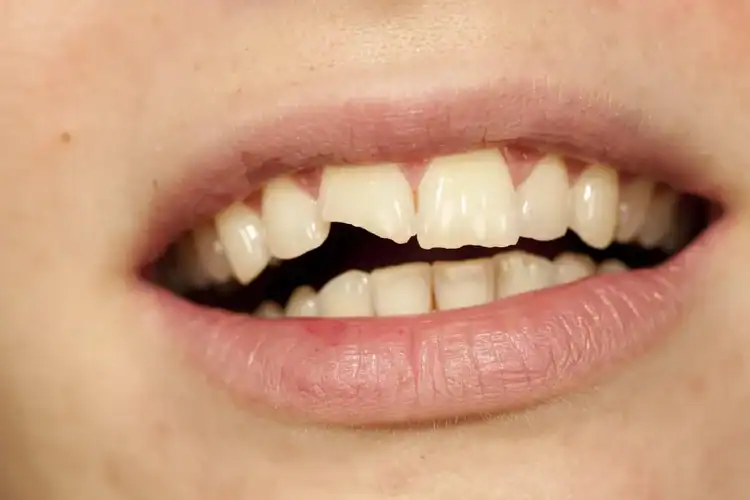
Preventing Future Broken Teeth
While accidents happen, many tooth fractures can be prevented. Here are some simple steps to reduce your risk:
- Avoid Chewing Hard Objects: Do not chew on ice, hard candies, popcorn kernels, or non-food items like pen caps.
- Wear a Mouthguard: If you play contact sports, wear a custom-fitted mouthguard to protect your teeth from impact. If you grind or clench your teeth at night, a nightguard can prevent tooth fractures and excessive wear.
- Maintain Good Oral Hygiene: Strong, healthy teeth are less prone to breaking. Brush twice a day, floss daily, and use fluoride toothpaste.
- Regular Visits: Regular dental check-ups allow us to identify and address any potential weaknesses in your teeth, such as existing cracks or large fillings that might be at risk.
- Address Tooth Grinding: If you suspect you grind your teeth (bruxism), discuss it with us. We can offer solutions to protect your teeth from this unconscious habit.
Conclusion
Dealing with a broken tooth can be stressful, but knowing how to handle a broken tooth quickly and effectively makes a real difference. Remember, immediate action and professional care are your best allies in saving your tooth and restoring your oral health. Do not hesitate to contact us at Tsawwassen Family Dental if you experience a dental emergency.
FAQ
-
How long can I wait to fix a broken tooth?
It is best to see a dentist as soon as possible, ideally within 24 hours. Waiting too long can lead to further damage, infection, or make the tooth impossible to save. The longer you wait, the more complicated and potentially expensive the treatment might become.
-
What is the cost to fix a broken tooth?
The cost varies significantly depending on the extent of the damage and the type of treatment required. A minor chip repaired with dental bonding will be less expensive than a severe fracture requiring a root canal and a dental crown. We will provide a clear estimate after your examination.
-
Can a broken tooth lead to other problems?
Yes. If left untreated, a broken tooth can become sensitive, painful, and prone to decay. Bacteria can enter the tooth, leading to infection (an abscess), which can spread to other parts of your body and affect your overall health. It can also cause issues with your bite and adjacent teeth.