
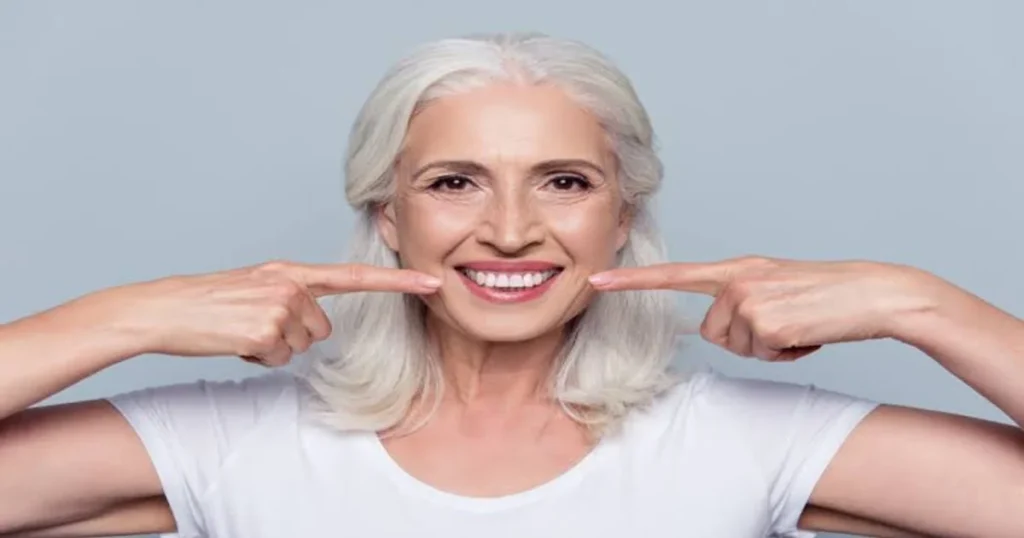
As you get older, you may notice changes in your teeth, from a darker colour to increased sensitivity near the gumline. Gum recession, years of wear, and medications that cause dry mouth can all affect your dental health after 60. These changes don’t necessarily mean something is wrong, but it’s important to know what to watch for and when to see a dentist. Regular dental checkups can help identify problems early and keep your natural teeth healthy for longer.
Why Do Your Teeth Change After 60?
Not every change in your teeth means you have a dental problem. Some develop gradually over the years, while others may be linked to gum disease, medications, or everyday habits.
Tooth Enamel Wears Down and Teeth Become Darker
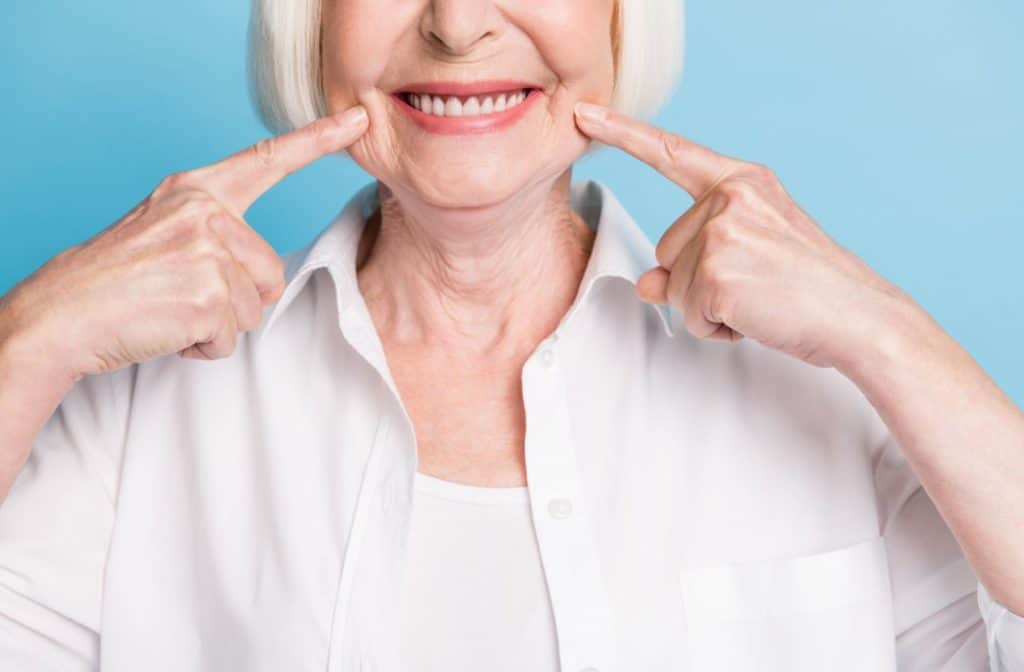
Tooth enamel is the hard outer layer that protects your teeth. It does not regenerate after significant wear, so decades of chewing and exposure to acidic foods can gradually change its thickness and appearance.
As enamel becomes thinner, more of the underlying dentin shows through. Dentin naturally has a more yellow appearance, and changes within the tooth over time can make teeth look darker.
Surface stains also accumulate. Coffee, tea, and tobacco can contribute to discolouration, particularly when stains remain on the teeth for extended periods.
You may notice that your front teeth appear shorter or that the edges look flatter than before. This can happen because of gradual tooth wear, although grinding and acidic erosion may accelerate the process.
Mild changes in colour are common. However, a tooth that suddenly turns grey or dark deserves examination, especially if it has experienced trauma or previous dental treatment.
Gums Recede and Expose More of Your Teeth
Gum recession occurs when the gum margin moves away from its previous position, exposing more of the tooth or root.
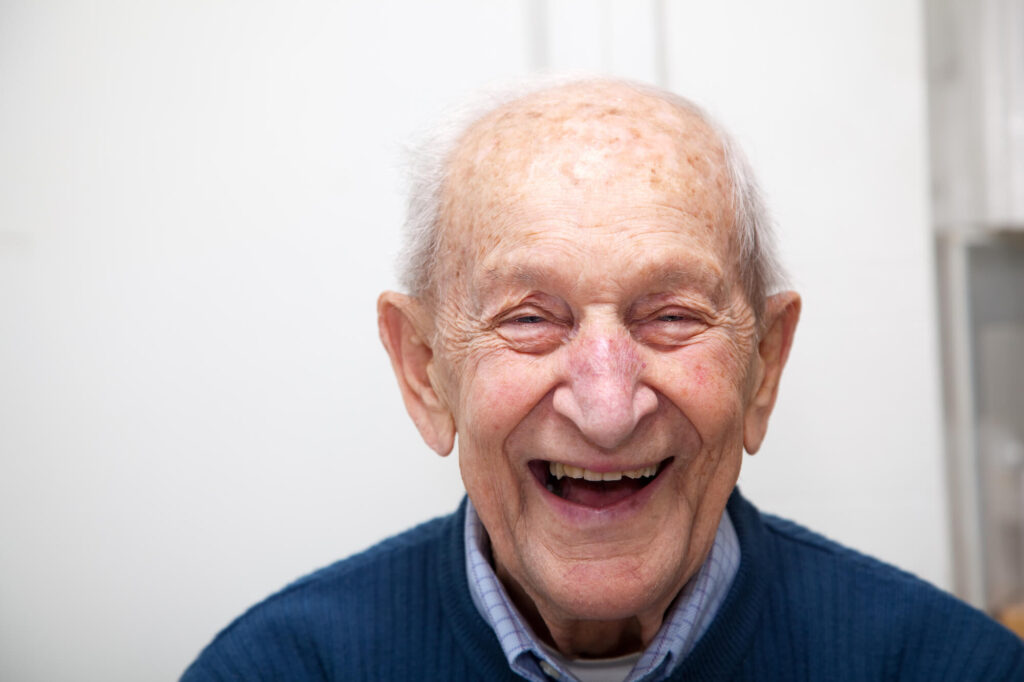
This becomes more common with age, but it is not simply an unavoidable consequence of turning 60. Previous periodontal disease, brushing with excessive pressure, and tooth positioning can contribute. Recession may cause:
- Increased sensitivity near the gumline
- Teeth appearing longer than before
- Larger spaces between neighbouring teeth
- Greater exposure of vulnerable root surfaces
- Difficulty cleaning certain areas
Exposed roots deserve particular attention because they lack the enamel covering the visible crowns of teeth. This makes them more susceptible to root cavities.
Our dentists recommend having receding gums assessed rather than assuming the changes are age-related. If gum disease is responsible, treatment may help control inflammation and limit further damage to the supporting tissues.
Teeth Gradually Shift and Change Position
You may notice that your lower front teeth have become more crowded or that a space between two teeth has changed.
Teeth can move even in adulthood. Losing a tooth, changes in your bite, and other dental problems can cause nearby teeth to shift over time.
For example, someone who lost a back tooth several years ago may notice that the tooth beside the gap has started tilting. This can affect chewing and create spaces that collect food.
Dry Mouth Becomes More Common
Dry mouth is common among older adults, but getting older isn’t usually the main reason for it.
Many seniors take medications that affect saliva production. Certain antidepressants, antihistamines, and blood pressure medications can contribute to dryness. Diabetes and conditions affecting the salivary glands may also play a role. Saliva protects your teeth by washing away food particles and helping neutralize acids. When your mouth produces less saliva, plaque bacteria can cause damage more easily.
We recommend discussing persistent dry mouth with your dentist and reviewing possible medication effects with your physician. Do not stop prescribed medication without medical advice.
Cavities and Gum Disease Become Greater Concerns
Cavities can develop at any age. After 60, exposed roots and dry mouth can make decay more likely, particularly around existing fillings and crowns.
Gum disease is another concern because it may progress without causing much pain at first. Bleeding gums, persistent bad breath, or teeth that start to feel loose are reasons to book a dental appointment. Regular checkups can help identify problems that may not be obvious at home.

How to Keep Your Teeth Healthy After 60
Your daily routine remains one of the most important factors in maintaining natural teeth as you age. However, changes in gum position, saliva production, and hand mobility may require adjustments to the way you clean your teeth.
At Tsawwassen Family Dental, our dentists recommend focusing on the following habits:
- Brush twice daily with fluoride toothpaste. Use a soft-bristled toothbrush and clean carefully along the gumline. Fluoride helps protect enamel and exposed root surfaces against decay.
- Clean between your teeth every day. Dental floss or appropriately sized interdental brushes can remove plaque from spaces that a toothbrush cannot reach.
- Consider an electric toothbrush. If arthritis or reduced hand movement makes brushing difficult, an electric toothbrush may make daily cleaning easier.
- Keep your mouth moist. Drink water regularly and ask about saliva substitutes if persistent dryness affects your comfort. Follow medical advice if you have a fluid restriction.
- Limit frequent sugar and acid exposure. Repeated sugary snacks and acidic drinks increase the risk of tooth decay and enamel erosion.
- Avoid aggressive brushing. Excessive pressure can contribute to gum recession and wear near the gumline.
- Address teeth grinding. If your teeth appear increasingly flattened or chipped, ask your dentist to assess your bite. A night guard may help in suitable cases.
- Maintain regular dental examinations. Your dentist can recommend an appropriate appointment interval based on your cavity risk and gum health.
One practical concern is brushing around the back teeth. People with reduced hand mobility may find these areas increasingly difficult to reach. A smaller toothbrush head or an electric brush can improve access without requiring excessive pressure.
The same applies to flossing. If conventional floss has become difficult to handle, a floss holder or interdental brush may be more manageable.
What Dental Treatments Can Help With Age-Related Changes?
Treatment depends on the reason your teeth have changed. Some concerns only require monitoring, while others benefit from professional care.
- For tooth discolouration, professional teeth whitening may help remove or reduce certain stains. However, whitening cannot reverse enamel loss or correct every type of internal discolouration. Existing crowns and fillings also do not respond to whitening in the same way as natural teeth.
- For worn or damaged teeth, a dentist may recommend bonding, a filling, or a crown. The choice depends on how much healthy tooth structure remains and how the tooth handles biting pressure.
- For exposed roots and gum recession, the dentist will examine the supporting tissues and look for periodontal disease. Some patients need periodontal treatment, while others benefit primarily from improved plaque control and changes to their brushing technique.
- For cavities, early treatment can preserve more natural tooth structure. A small cavity may be suitable for a filling, but extensive decay can require a more protective restoration.
- For shifting teeth, orthodontic treatment may be considered if the gums and supporting bone are sufficiently healthy. Treatment is not always necessary for minor alignment changes that do not affect oral health.
- For missing teeth, dental bridges, implants, or dentures may help restore chewing function. The appropriate option depends on the remaining teeth and available support.
There is no reason to treat every cosmetic change associated with age. Our dentists focus on identifying changes that affect tooth function or indicate disease before recommending treatment.
Noticing Changes in Your Teeth After 60?
If your teeth have become more sensitive, it’s worth getting them checked. Book an appointment with Tsawwassen Family Dental, and our team can help you understand what’s causing the changes and what, if anything, needs treatment.
Which Changes Are Normal and Which Need a Dentist?
Gradual yellowing or slight flattening of your teeth may develop over the years. However, don’t assume every change is a normal part of aging.
Book a dental appointment if you notice:
- A tooth suddenly becoming darker
- New or worsening sensitivity
- Bleeding or swollen gums
- A tooth becoming loose or shifting noticeably
- A chipped or broken tooth
- Persistent pain, especially when chewing
These symptoms can have several causes, including tooth decay, gum disease, or damage to a tooth. A dental examination can help identify the problem and determine whether treatment is needed.
Severe tooth pain or increasing facial swelling needs urgent dental attention. If you have difficulty breathing or swallowing, seek emergency medical care.
Can You Keep Your Natural Teeth for Life?
Yes. Keeping your natural teeth throughout your life is possible, and tooth loss is not an inevitable consequence of aging.
The National Institute of Dental and Craniofacial Research explains that with good oral hygiene:
“Good oral health helps you enjoy life. It lets you: speak clearly; taste, chew, and swallow delicious and nutritious foods; and show your feelings through facial expressions such as smiling.
If you protect your oral health with good oral hygiene practices (brushing and flossing), the odds are in your favor you can keep your teeth for a lifetime.”
Source: National Institute of Dental and Craniofacial Research – Oral Hygiene
Protecting natural teeth becomes particularly important after 60 because previously treated teeth may need additional attention. Older fillings can wear or fracture, and gum recession can expose areas that are harder to clean.
A dentist may recommend additional fluoride protection if you have frequent cavities or persistent dry mouth. Patients with periodontal disease may also need ongoing gum maintenance to help prevent further attachment loss.
Existing dental work does not automatically need replacement because of age. A crown or filling that remains functional and free of decay may continue to serve its purpose.
The aim is to preserve healthy tooth structure and treat developing problems before they threaten the tooth. Many adults maintain functional natural teeth well into later life with appropriate care.
Conclusion
Your teeth can change as you get older, but that doesn’t mean you have to lose them. Brushing with fluoride toothpaste, cleaning between your teeth, and keeping up with dental checkups can help you protect your natural teeth after 60. If you notice new sensitivity, receding gums, or changes in how your teeth fit together, don’t simply put it down to age.
At Tsawwassen Family Dental, we can help you identify the cause of these changes and decide whether any treatment is needed.
FAQ
These answers address common concerns about tooth strength, sensitivity, and natural dental changes after 60.
-
Do Teeth Naturally Get Weaker After 60?
Teeth do not automatically become weak at 60. However, accumulated enamel wear, large fillings, cracks, and untreated decay can reduce their strength. A dentist can assess worn or damaged teeth to determine if additional protection is necessary.
-
Why Are My Teeth Becoming More Sensitive as I Get Older?
Gum recession and enamel wear can expose more sensitive dentin. Cavities or damaged fillings may also cause sensitivity. If discomfort persists or affects one particular tooth, arrange a dental examination.
-
Is It Normal for Teeth to Shift in Your 60s?
Minor changes in tooth position can occur throughout adulthood. However, noticeable or rapid movement may indicate bite problems, missing tooth support, or periodontal disease. A dentist should examine significant changes.
-
Can Medications Affect Your Teeth as You Age?
Yes. Certain medications reduce saliva production, increasing the risk of dry mouth and cavities. Some medicines may also affect gum tissues. Tell your dentist about your medications and discuss suspected side effects with your physician.