


No, it is not too late to straighten your teeth with Invisalign in your 30s, 40s, or 50s. Adult teeth can still move successfully through orthodontic treatment, and many patients later in life choose Invisalign to improve bite problems, crowded teeth, spacing, and overall smile appearance.
In this article, you will learn how Invisalign works for adults, why more people are choosing clear aligners later in life, what challenges older adults may face during treatment, how long Invisalign typically takes, and when another orthodontic option may be more suitable.
Can Adults in Their 30s, 40s and 50s Still Get Invisalign
Yes, adults in their 30s, 40s, and 50s can still successfully straighten their teeth with Invisalign. Age alone does not prevent teeth from moving, and many adults achieve excellent results with properly planned orthodontic treatment. Healthy gums and bone support are usually more important than age itself.
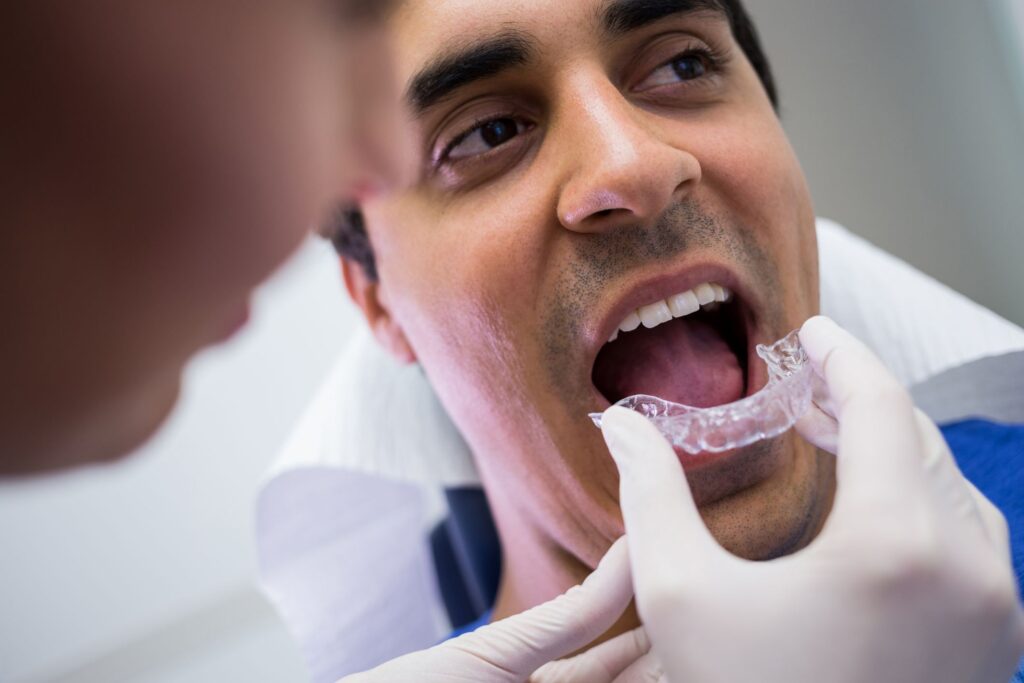
How Teeth Move in Adults
Teeth continue to shift throughout life because the bone around them constantly remodels. Invisalign uses controlled pressure to move teeth into healthier positions over time. Although adult treatment may sometimes move slightly slower than teenage treatment, the difference is usually small.
Why Adults Choose Invisalign
Many adults prefer Invisalign because the aligners are discreet, removable, and easier to manage professionally and socially than traditional braces. Patients often choose Invisalign to improve crowded teeth, bite problems, or smile appearance while also supporting better long-term oral health.
The Invisalign website also confirms this:
“Invisalign aligners provide a discreet way for adults to straighten their teeth, thanks to their clear design. This makes them especially appealing for those who want to straighten their smile without drawing a lot of attention.”
Concerns About Invisalign Later in Life
Adults commonly worry that treatment may not work as well at an older age, but Invisalign can still be highly effective later in life. Some patients may need additional planning if they have crowns, missing teeth, gum recession, or teeth grinding, but many older adults still qualify for successful treatment.
Read more: Invisalign refinements
Benefits of Invisalign for Adults
Many adults choose Invisalign not only because of appearance, but because the treatment offers practical advantages that fit more comfortably into adult lifestyles. Compared to traditional braces, clear aligners are generally easier to manage professionally, socially, and physically throughout treatment.
Some of the biggest benefits adults experience with Invisalign include:
- Nearly invisible aligners that look discreet during work and social interactions
- Removable trays that allow you to eat normally without major food restrictions
- Easier brushing and flossing compared to traditional braces
- Improved smile appearance and self-confidence
- Better bite alignment and chewing function
- Reduced crowding that makes oral hygiene easier
- Less irritation to cheeks and gums compared to metal brackets
- Fewer emergency orthodontic visits for broken wires or brackets
- Better long-term oral health by reducing areas where plaque accumulates
Thinking About Invisalign Later in Life?
You are never too old to improve your smile and bite health. At Tsawwassen Family Dental, we provide personalized Invisalign treatment plans for adults looking for a discreet and comfortable way to straighten their teeth. Schedule a consultation today to find out if Invisalign is the right option for you.
Many adult patients also combine Invisalign with cosmetic dentistry treatments later to further improve the appearance of their smile after alignment is complete.
Challenges Older Adults May Face During Invisalign Treatment
Although Invisalign works very successfully for many adults, older patients may face a few additional challenges that require more careful treatment planning. This does not mean Invisalign will not work; it simply means the dentist must evaluate the overall condition of the teeth, gums, and bite before treatment begins.

Some common challenges older adults may experience during Invisalign treatment include:
- Existing crowns, bridges, or dental restorations that affect tooth movement
- Missing teeth that change bite balance and alignment
- Gum recession or bone loss caused by previous periodontal problems
- Teeth grinding or jaw clenching that places extra pressure on the aligners
- Longer-standing bite issues that may require more complex movement
- Slower healing or tissue response compared to younger patients
- Higher likelihood of needing combined restorative dentistry during treatment
- Difficulty wearing aligners consistently for the recommended hours
Despite these challenges, many adults in their 40s and 50s still achieve excellent results with Invisalign when treatment is properly managed and monitored closely by an experienced dental team.
How Long Does Invisalign Take for Adults
The length of Invisalign treatment depends more on the complexity of the case than on age itself. Some adults with mild crowding or spacing may complete treatment within 6 to 12 months, while more complex bite-correction cases can take 18 months or longer.
Consistently wearing aligners for 20 to 22 hours per day plays a major role in treatment speed and success. Adults who follow their treatment instructions closely often see predictable and efficient results.
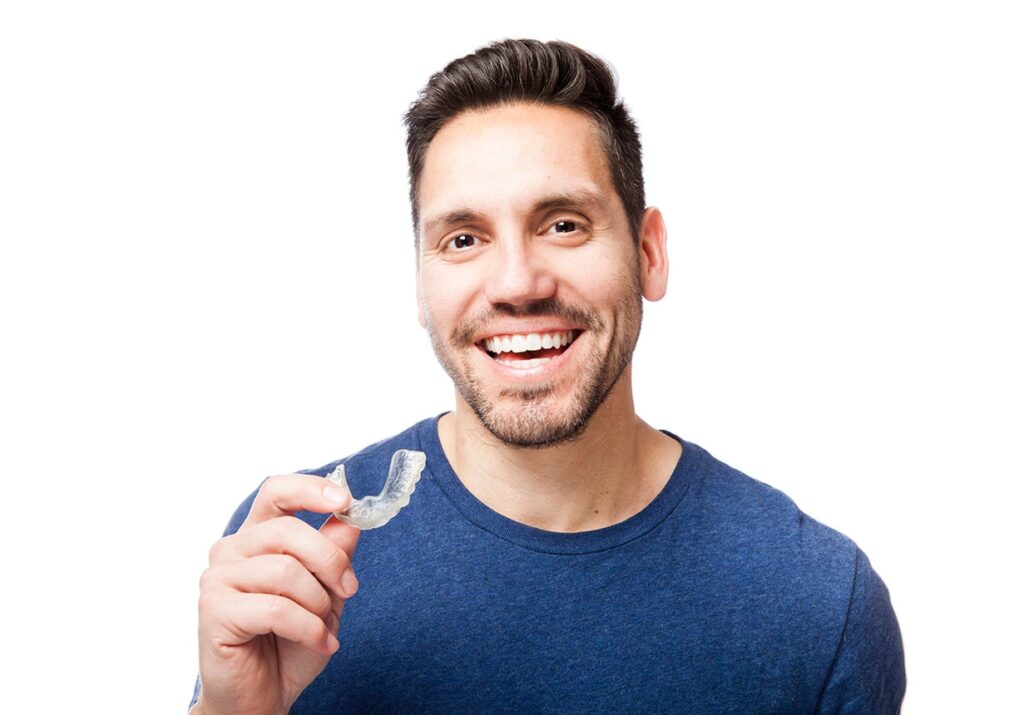
Factors that may affect Invisalign treatment time include the severity of crowding, bite alignment issues, gum health, previous dental work, and whether additional orthodontic adjustments are needed during treatment.
When Invisalign May Not Be the Right Option
Although Invisalign works very well for many adults, it may not be the best solution for every case. Some patients may require additional dental treatment or a different orthodontic approach depending on their oral health, bite condition, or treatment goals.
- Severe jaw alignment problems may require more advanced orthodontic treatment or surgical correction.
- Active gum disease or major bone loss may need periodontal gum care before tooth movement can begin safely.
- Complex bite issues sometimes respond better to traditional braces than removable aligners.
- Patients with untreated cavities, infections, or extensive restorative needs may need restorative dentistry first.
- Invisalign may not be ideal for patients who struggle to wear aligners consistently throughout the day.
- Severe teeth grinding can place excessive pressure on aligners and affect treatment progress.
- Multiple missing teeth or complicated dental restorations may require a more customized treatment plan.
Conclusion
Invisalign is not limited to teenagers or young adults. Patients in their 30s, 40s, and 50s can still successfully straighten their teeth, improve bite function, and enhance their smile with properly planned orthodontic treatment. Age is rarely the deciding factor; overall oral health and treatment consistency matter far more.
At Tsawwassen Family Dental, we provide Invisalign treatment for adults who want a discreet and effective way to improve their smile and oral health. Whether you are dealing with crowding, bite issues, spacing, or jaw discomfort, our team can evaluate your needs and create a personalized treatment plan designed around your goals.
FAQ
-
Is Invisalign less effective after age 40?
No, Invisalign can still be very effective after age 40. Teeth can continue to move throughout adulthood as long as the gums and supporting bone remain healthy. Many adults in their 40s and 50s achieve excellent results with Invisalign treatment.
-
Can adults with crowns or missing teeth get Invisalign?
Yes, many adults with crowns, bridges, or missing teeth can still qualify for Invisalign. Treatment planning may be more complex, but clear aligners can often work successfully alongside existing dental restorations.
-
Does Invisalign take longer for older adults?
Not necessarily. Treatment length depends more on case complexity, bite alignment, and patient compliance than age itself. Adults who wear their aligners consistently often achieve predictable results within normal treatment timelines.
Have you considered Invisalign as an adult? Let us know your biggest questions or concerns about adult orthodontic treatment in the comments below.