

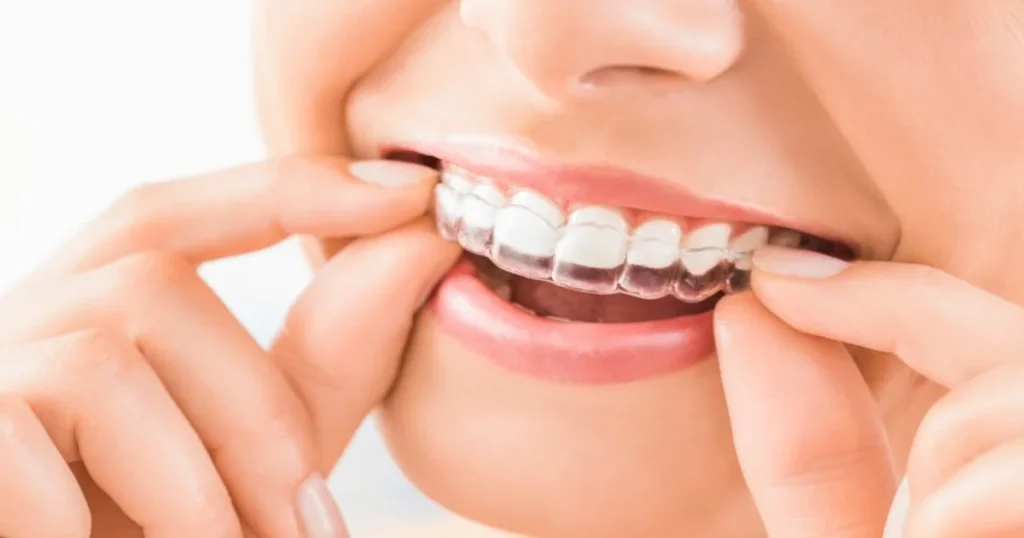
Invisalign refinements are a normal part of many orthodontic treatment plans and do not necessarily mean that something went wrong. In fact, refinements are often used to fine-tune tooth movement and bite alignment after the initial series of aligner trays is completed.
In this article, we’ll explain what Invisalign refinements are, why they happen, how many are considered typical, whether they extend treatment time, and when refinements may signal a larger issue.
What Invisalign Refinements Mean and Why They Happen
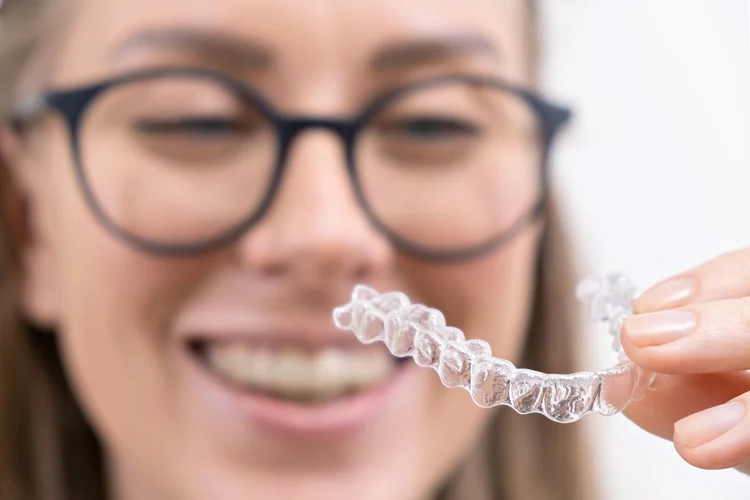
Refinements are additional sets of clear aligners created after the original series to improve alignment and ensure optimal results.
How Tooth Movement Is Predicted
Invisalign treatment begins with digital scans that simulate projected tooth movement. These scans create a step-by-step roadmap for how teeth should shift using clear aligners. While digital planning is highly advanced, real biological movement can vary slightly from predictions.
Why Teeth May Not Track Exactly As Planned
Teeth don’t always move exactly as shown in the simulation. Factors like bone density, patient compliance, and bite pressure can affect tracking. Even small differences can require additional trays to perfect the final alignment.
How Refinement Aligners Are Created
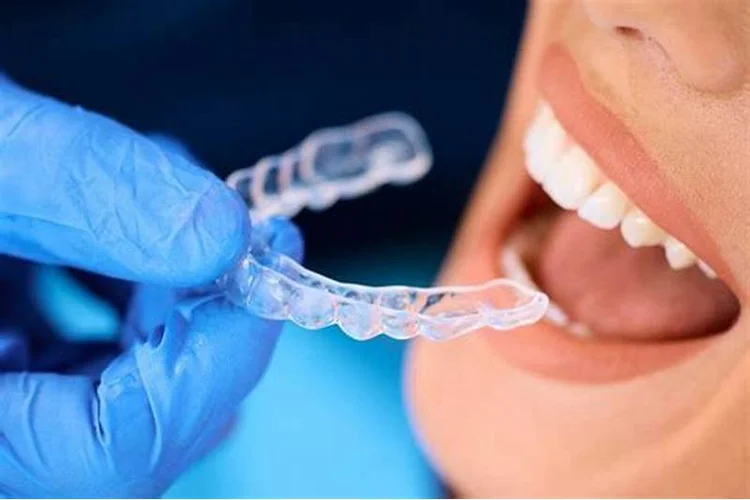
If adjustments are needed, new digital scans are taken, and a short series of refinement aligners is fabricated. These aligners target specific teeth that need minor correction or bite adjustments.
How Many Invisalign Refinements Are Considered Normal
For many patients, one refinement phase is completely normal. Some patients may require none, while others, especially those with moderate or complex cases, may need two rounds of refinement.
Needing refinements does not indicate failure. It reflects the reality that orthodontic treatment is a biological process, not a perfectly mechanical one. Minor adjustments are often necessary to achieve ideal bite alignment and aesthetic results.
Read more: CDCP Invisalign coverage
Do Invisalign Refinements Extend Treatment Time
Refinements can slightly extend treatment time, typically by several weeks to a few months, depending on how many additional aligner trays are required.
However, refinements often significantly improve the final outcome. Rather than ending treatment early with minor imperfections, refinement aligners help ensure proper bite function and long-term stability.
Factors That Influence the Number of Refinements
Several factors can affect whether refinements are needed:
- Initial case complexity
- Patient compliance with wearing aligner trays for 20–22 hours daily
- How accurately do teeth track during movement
- Presence of bite imbalances
- Biological variation in tooth movement
The healthline website experts have also confirmed this:
“Depending on your orthodontist’s instructions, you’ll switch out one set of aligners for a new set about once every week or two. Typically, you’ll need to wear the aligners for 20 to 22 hours a day.”
Patients who consistently wear their aligners or braces as instructed often reduce the likelihood of extensive refinements.
Read more: Braces care tips
When Refinements May Indicate a Larger Issue
While refinements are common, repeated or extensive refinements may sometimes suggest underlying concerns such as poor aligner fit, incomplete compliance, or complex bite discrepancies.
In rare cases, a reassessment of the treatment plan may be needed. This does not mean Invisalign is ineffective; it simply means the plan must adapt to how your teeth respond.
Patients experiencing jaw discomfort during treatment may also benefit from an evaluation of TMJ & jaw problems, as bite alignment and jaw function are closely connected.
Feel Unsure About Invisalign Refinements?
If you’ve been told you need Invisalign refinements, a consultation can clarify your treatment plan and timeline. At Tsawwassen Family Dental, we provide clear explanations and personalized guidance throughout every phase of orthodontic care.
Conclusion
Invisalign refinements are a normal and often beneficial part of orthodontic treatment. They allow your dentist to fine-tune your alignment and bite to achieve the best possible long-term results. One or even two refinement phases are common and do not mean your treatment failed.
At Tsawwassen Family Dental, we monitor Invisalign progress carefully and use refinements strategically to ensure accurate alignment, healthy bite function, and stable long-term results.
FAQ
Below are answers to common questions patients ask about Invisalign refinements and what to expect during treatment adjustments.
-
Is it normal to need Invisalign refinements?
Yes. Many patients require at least one refinement phase to perfect alignment or bite positioning.
-
Are refinements included in the Invisalign cost?
In most cases, refinements are included within the treatment plan, but coverage may vary depending on the complexity and treatment package.
-
Can refinements improve bite alignment further?
Yes. Refinements often focus on fine-tuning bite alignment and ensuring proper contact between upper and lower teeth.
Have you experienced Invisalign refinements during your treatment?
Share your questions or concerns below
Others may benefit from your experience.