


The Canadian Dental Care Plan aims to make dental care more affordable for Canadians, especially those without private insurance. While the plan covers basic dental procedures, many wonder if it includes orthodontic treatments such as braces and Invisalign.
In this article, we will clarify the coverage guidelines for braces and Invisalign under the CDCP, explore what is considered “medically necessary,” and offer tips for navigating alternative orthodontic care options.
What is the Canadian Dental Care Plan (CDCP)?
The CDCP is a federal program that provides low- and moderate-income Canadians with access to essential dental services. While the CDCP primarily covers preventive dental care, such as exams, teeth cleanings, and fillings, orthodontic treatments like braces and Invisalign are more complex and may not always be included.
The CDCP is managed through the Medical Services Plan (MSP), which provides the base for dental benefits and access to a variety of provincial programs. However, eligibility for specific treatments, such as orthodontics, depends on medical necessity and income level.
Read more: Invisalign vs braces
Does the CDCP Cover Braces or Invisalign?
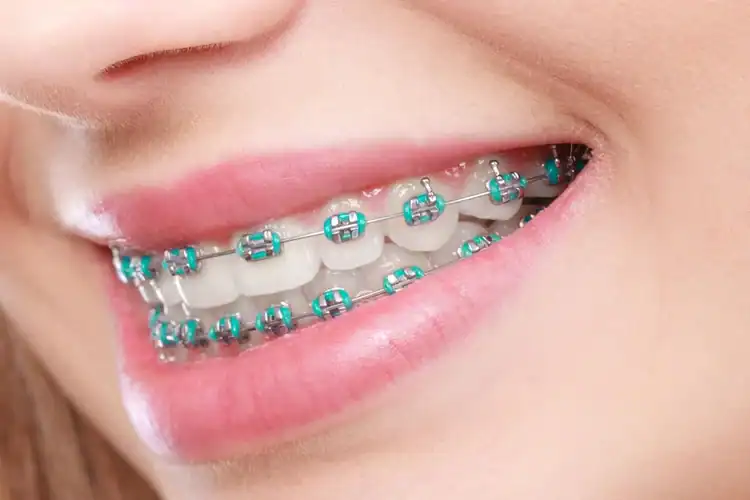
In most cases, the Canadian Dental Care Plan does not cover braces or Invisalign for standard cosmetic purposes. However, if braces or Invisalign are required to correct a medical issue, such as severe malocclusion (misalignment) or a craniofacial disorder, the treatment may be eligible for coverage under the CDCP.
What Is Considered “Medically Necessary” Orthodontics?
Orthodontic treatments like braces are typically considered medically necessary when they are required to correct functional issues, such as difficulty eating, speaking, or breathing caused by severe tooth misalignment or bite problems.
Difference Between Cosmetic and Functional Orthodontic Treatments
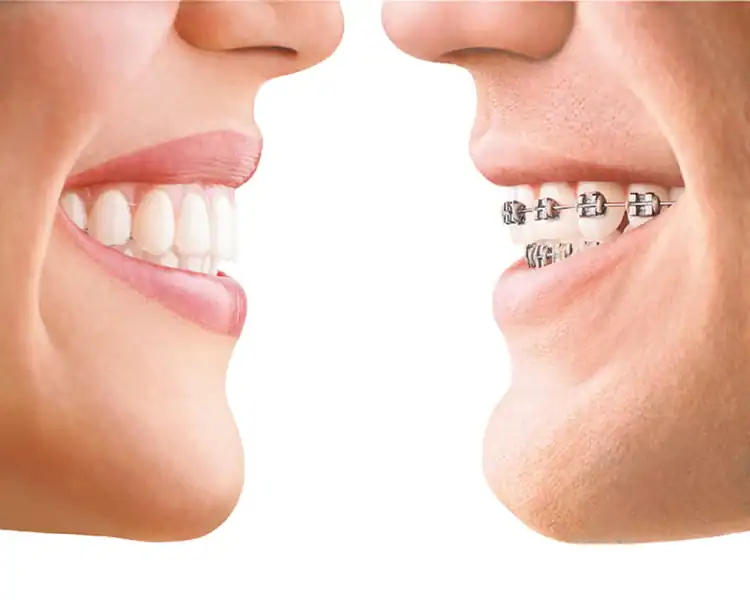
While cosmetic dentistry procedures, such as teeth whitening, are generally not covered by the CDCP, functional orthodontics (such as correcting a significant overbite or underbite) may qualify for coverage. Invisalign, while similar to braces, is often viewed as a cosmetic option due to its aesthetic appeal and may therefore not be covered unless medically necessary.
How the CDCP Handles Braces/Invisalign for Children vs Adults
For children, braces are more likely to be covered if they address functional issues rather than cosmetic concerns. However, adults may face greater limitations, as Invisalign and traditional braces are often seen as elective treatments. The CDCP’s primary focus is on providing essential dental care to children, while adults generally require private dental insurance options for treatments such as Invisalign or braces.

When Does The CDCP Cover Braces and Invisalign?
The CDCP’s coverage of braces or Invisalign typically hinges on whether the treatment is deemed medically necessary by a healthcare professional. Here’s a closer look at the conditions under which braces or Invisalign might be covered:
- Severe malocclusion (misalignment of teeth or jaw)
- Craniofacial disorders (such as cleft palate or other deformities that affect function)
- Functional issues such as difficulty chewing, speaking, or breathing
Before treatment, patients will need to undergo an assessment by their dentist or orthodontist, who will submit the necessary documentation to determine whether the treatment is medically necessary. In many cases, you may need to provide diagnostic records, such as X-rays, photographs, and a letter from your healthcare provider explaining the medical necessity of the treatment.
Let’s refer to the Government of Canada website quote itself for the coverage of the orthodontic services:
“In 2025, we’ll add orthodontic services to the CDCP. These services will only be covered in cases of medical need based on strict criteria. There will be a maximum spending limit for them.”
Read more: Braces care tips
What Are the Alternatives to CDCP Coverage for Braces and Invisalign?
If your braces or Invisalign treatment is not covered under the Canadian Dental Care Plan (CDCP), there are still several alternatives available to help make orthodontic care more affordable. Whether you’re looking for private insurance options, financing plans, or community programs, here are some solutions that can help you achieve your smile goals.
- Private Dental Insurance: Many private insurance plans cover orthodontic treatments like braces and Invisalign. Depending on your plan, you may receive partial or full reimbursement for treatment costs.
- Payment Plans and Financing Options: Some dental clinics offer flexible payment plans or financing options to help you spread out the cost of braces or Invisalign over time.
- Provincial or Community Dental Programs: While the CDCP may not cover braces or Invisalign, some community health programs or provincial dental assistance programs provide support for orthodontic care. These programs may offer reduced fees for eligible low-income families.
- Health Spending Accounts (HSAs): If you’re paying for orthodontic treatments out-of-pocket, you may be able to claim the cost as a medical expense on your tax return.
- Third-Party Financing: Some third-party organizations offer specialized dental financing services for orthodontic treatment. These services often provide flexible repayment terms and competitive interest rates, making it easier to manage larger treatment costs over time.
While braces and Invisalign may not be covered under the CDCP, several alternatives are available to help manage costs. From private insurance and financing options to community dental programs, these solutions offer flexible ways to get the orthodontic care you need.
What to Do If the CDCP Does Not Cover Your Braces/Invisalign
If the CDCP doesn’t cover your braces or Invisalign, you can:
- Look into private insurance: Many private insurers offer orthodontic coverage for both adults and children.
- Explore provincial or community dental programs: Programs such as the BC Healthy Kids Program can provide financial assistance for children who need orthodontic care.
- Speak to your orthodontist about payment options: Some clinics, including Tsawwassen Family Dental, offer flexible financing plans to help break down the cost of treatment into manageable payments.
These were the main steps in finding a way to cover the costs of your orthodontics, whether it is Invisalign or traditional braces.
Looking for the Best Financing Option for Orthodontics?
Whether you’re interested in Invisalign or traditional braces, our team is here to assist you with decision-making and reviewing CDCP coverage.
A Clear Path Forward With CDCP Covering Braces and Invisalign
While braces and Invisalign are typically not covered by the Canadian Dental Care Plan, coverage may be available if the treatment is deemed medically necessary. Understanding what qualifies as medically necessary orthodontics can help you navigate the CDCP’s restrictions and ensure that your orthodontic needs are addressed.
If your treatment is not covered, explore private insurance, financing options, or community dental programs that can help make the cost of braces or Invisalign more manageable.
At Tsawwassen Family Dental, our team is committed to making orthodontic care accessible. Whether you’re interested in Invisalign or traditional braces, we can help you find the best payment options and guide you through the process.
FAQ
Below are answers to common questions about braces and Invisalign coverage under the Canadian Dental Care Plan.
-
Are braces covered under the Canadian Dental Care Plan for kids?
Yes, braces are generally covered for children if the treatment is medically necessary, such as for severe malocclusion or difficulty chewing. However, cosmetic orthodontics, such as Invisalign, may not be covered.
-
How do I apply for braces under the CDCP?
To apply for braces under the CDCP, you must first visit a dentist or orthodontist for an assessment. If the treatment is deemed medically necessary, your dentist will submit the required documentation and pre-authorization forms to the Ministry of Health for approval.
-
Does Invisalign fall under the same coverage as traditional braces?
Typically, Invisalign is considered a cosmetic orthodontic option and is not covered under the CDCP unless it is deemed medically necessary. If it’s for purely cosmetic reasons, you may need to rely on private insurance or other financing options.
-
What if my child only needs braces for cosmetic reasons, not medical necessity?
The CDCP does not cover cosmetic treatments. If your child’s braces are purely cosmetic, you will need to explore private dental insurance or other financing options to cover the cost of the treatment.
Do you have questions about orthodontic coverage?
Leave a comment below
We’re here to help you navigate the process.