

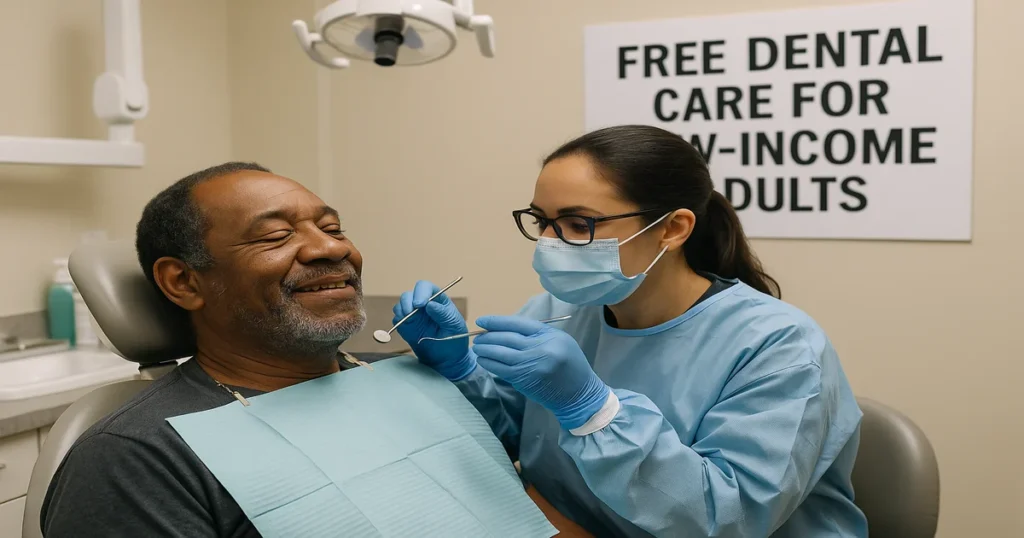
If you are a low-income adult in Canada, there are several programs designed to help you access dental care without paying full price. The Canadian Dental Care Plan (CDCP), provincial dental initiatives, and community clinics can provide preventive care, emergency treatment, and limited restorative services at low or no cost. These programs aim to close the dental coverage gap and ensure that financial constraints do not prevent you from maintaining oral health.
In this article, we’ll explore the barriers low-income adults face in accessing dental care, outline the federal, provincial, and community programs available, explain how to qualify, and describe the services typically covered.

Understanding Dental Care Barriers for Low-Income Adults
We are going to break down this heading into two parts, mainly focused on cost challenges, and also talking about how critical basic dental care is to people:
Cost Challenges and Lack of Insurance Coverage
Dental care is often one of the most expensive components of healthcare for adults without insurance. Routine exams, cleanings, and emergency treatments can quickly become unaffordable, forcing many to delay or avoid care altogether. This lack of access can result in worsening dental conditions, which may require more extensive and costly treatment later, unlike the dental coverage for First Nations residents of bc program that many of you know about.
Impact on Oral and Overall Health
Neglecting dental care not only affects your teeth and gums but can also affect your overall health. Untreated cavities, gum disease, and infections can contribute to pain, difficulty eating, and systemic health problems such as heart disease and diabetes. Low-income adults face a higher risk of these complications due to barriers in accessing timely care.
Read more: CDCP implants for seniors
Government and Community Programs
Several programs in Canada aim to make dental care accessible for low-income adults:
- Federal Programs (CDCP): The Canadian Dental Care Plan offers coverage for eligible adults with low incomes, focusing on preventive dental care and basic restorative procedures.
- Provincial/Territorial Dental Initiatives: Many provinces run subsidized dental programs for low-income residents, often linked to social assistance or income thresholds. These programs may cover exams, cleanings, and emergency dentistry procedures.
- Community Health Centers and Charitable Clinics: Community dental clinics provide free services for adults in need. These centers often offer preventive care, emergency treatment, and limited restorative procedures, sometimes on a sliding fee scale.
- Dental Schools and Teaching Clinics: Many dental schools operate clinics where supervised students provide free dental care, giving patients access to treatments such as cleanings, dental fillings, and minor restorative procedures.
- Mobile Dental Units and Outreach Programs: Some provinces and charities operate mobile dental clinics that travel to underserved areas, offering preventive care, screenings, and emergency services for adults who cannot easily reach traditional clinics.
The Ontario Dental Association website says:
“There are programs run by municipal (local), provincial and federal governments and educational institutions to help eligible people in need access dental care”
Read more: CDCP root canal coverage
How to Qualify for Free or Subsidized Dental Services
Qualifying for free or low-cost dental care in Canada depends on several key factors, most notably income level, residency status, and access to other dental coverage. Programs such as the Canadian Dental Care Plan (CDCP), provincial initiatives, and community health clinics typically set income thresholds to determine eligibility.
Applicants are usually required to provide documentation to verify eligibility, which may include proof of income through recent tax filings, identification showing Canadian residency, and any supporting social assistance or government benefit statements. Each program may have slightly different documentation requirements, so it’s essential to check the specific guidelines before applying.
The enrollment process varies by program. Some federal and provincial programs allow online applications, while others require visits to participating dental clinics or community health centers.

Services Typically Covered
Free and subsidized dental programs for low-income adults usually focus on essential care to maintain oral health and prevent complications. The services commonly offered include:
| Service Type | Description |
|---|---|
| Preventive Dental Care | Exams, teeth cleanings, and X-rays help maintain oral health, detect cavities or gum disease early, and reduce the need for emergency or extensive procedures. These services are prioritized in most programs for low-income adults. |
| Emergency Treatments | Pain relief, tooth extractions, and trauma care address urgent dental issues like severe tooth pain, infections, or accidents, preventing further oral or systemic health complications. |
| Limited Restorative Procedures | Basic fillings, simple extractions, and removable dentures repair or replace damaged teeth, restoring functionality and oral health. Programs usually cover these treatments to manage decay or damage. |
| Partial Support for Dental Bridges | Fixed partial dentures replace one or more missing teeth, helping restore chewing function and improve aesthetics. Some programs offer subsidized coverage for dental bridges, typically partial, depending on eligibility. |
| Occasional Support for Dental Implants | Implants may be partially subsidized for patients with significant tooth loss. Availability is limited and varies by program or clinic due to higher costs. |
Tips to Maximize Free or Low-Cost Dental Benefits
Accessing free or subsidized dental care is a significant first step, but to fully benefit from these programs, it’s essential to plan strategically. Here are some practical tips to help you get the most out of your dental benefits:
- Schedule Routine Dental Exams Early: Book your exams early in the year to ensure you use your program’s coverage entirely. Since many programs run annually, scheduling early can help avoid missing out on benefits due to timing constraints.
- Understand What Procedures Are Covered: Federal, provincial, and community programs vary in what they cover. Make sure you know exactly which procedures are included to avoid unexpected costs.
- Seek Additional Community Resources: Explore charitable clinics, dental schools, and other local resources. These often offer complementary services or reduced fees for specialized procedures. Connecting with these options can expand your care options and provide educational programs on oral hygiene.
- Take Advantage of Preventive Care Services: Many programs cover preventive treatments like cleanings, sealants, and fluoride treatments at no additional cost. Regular preventive care can help avoid costly procedures in the future, so be sure to take advantage of these services as often as allowed.
By taking these steps, you can maximize your access to quality dental care while keeping costs low. Being proactive and informed will help you make the most of available resources and maintain better oral health without overspending.
Contact Us for Help!
Need help finding free or low-cost dental care in your area? Contact us today to get personalized guidance on eligibility and program options for low-income adults.
Take Action to Secure Free Dental Care for Yourself
Accessing dental care as a low-income adult in Canada is possible through federal, provincial, and community programs. By understanding eligibility, covered services, and available resources, you can maintain oral health and prevent serious complications—even with limited financial means.
You can rely on us to help you navigate these programs, determine eligibility, and connect with the right clinics. We provide guidance to ensure you receive the dental care you need, without financial strain, so you can protect your smile and overall health.
FAQ
-
Who qualifies for free dental care in Canada?
Eligibility varies by program but generally includes low-income adults without private dental coverage who meet income thresholds.
-
Are emergency dental procedures covered for low-income adults?
Yes, most federal, provincial, and community programs provide coverage for urgent dental care, such as pain relief, infection treatment, or tooth extractions.
-
Can I access both federal and provincial programs?
In many cases, yes, but you must check each program’s eligibility requirements to avoid overlapping claims.
-
How do I find community dental clinics near me?
You can search online for local community health centers, charitable dental clinics, or provincial program listings to locate nearby low-cost dental services.
-
Do these programs cover major procedures, such as crowns or dentures?
Coverage is typically limited. Preventive and emergency care is prioritized, while major restorative work may only be partially covered or excluded.
Have questions or experiences with free dental care programs?
Share them in the comments below
We’re here to help!