

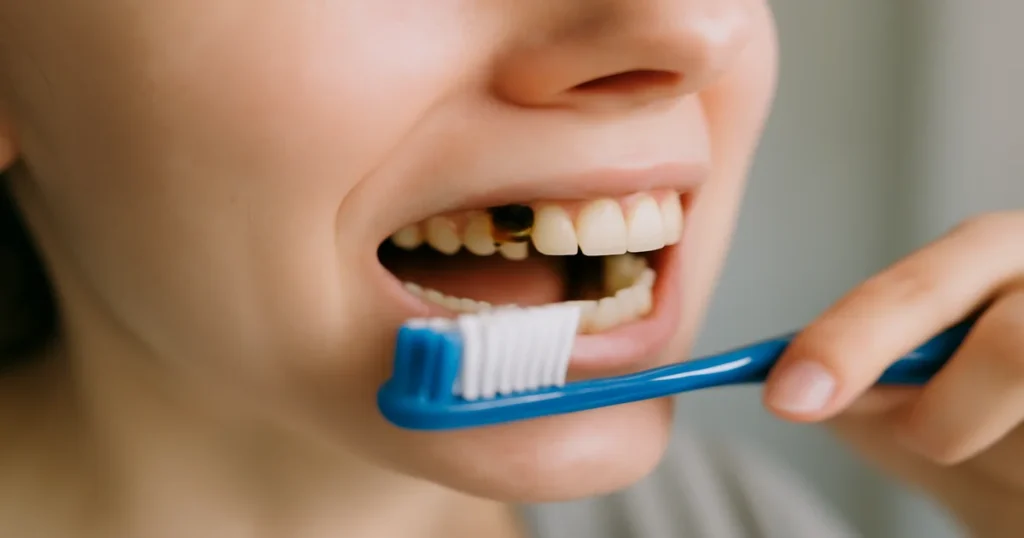
Some of the most common questions we hear from our patients are: “Can you get cavities even if you brush your teeth?” or “Why do I get cavities even though I brush and floss?” The truth is that brushing alone does not always prevent tooth decay. Cavities are influenced by several factors, including diet, saliva production, enamel strength, oral bacteria, brushing technique, and even genetics.
In this article, we will explore how cavities can still develop despite regular brushing by examining key factors such as diet and brushing technique. Followed by specific beneficial tips that help you to implement good habits in your daily routine to answer the central question: Why do I get cavities even though I brush twice a day?
How Do Cavities Happen?
Cavities are the result of tooth decay, which occurs when bacteria in the mouth feed on sugars from food. These bacteria form plaque, which sticks to the surface of your teeth. The acids produced by these bacteria break down the tooth’s enamel, leading to holes or cavities. While brushing removes plaque and food particles, it doesn’t always reach all surfaces of the teeth, allowing cavities to form.
Even if you’re brushing regularly, crooked teeth can hinder effective cleaning, increasing the likelihood of cavities. To address this issue and answer the famous question “Why do I get cavities even though I brush?”, it’s essential to know the causes of crooked teeth.
Read more: How to Teach Kids Good Oral Hygiene Habits
Reasons You Have Cavities Even if You Brush Regularly
Brushing twice a day is important, but it isn’t always enough on its own. Several other factors can still put your teeth at risk, which is why cavities may develop despite good oral hygiene habits.
Inadequate brushing
Brushing might not be thorough enough, and certain areas, such as the back teeth, gumline, or spaces between teeth, may be missed. Plaque and bacteria thrive in these areas, leading to the formation of cavities.
Lack of flossing
If you don’t floss, food particles and plaque can remain stuck between your teeth. This creates an environment that allows bacteria to produce acids, which can lead to cavities in hard-to-reach spots.
Insufficient saliva production
Saliva helps neutralize acids in the mouth and wash away food particles. If your body doesn’t produce enough saliva, acids linger in the mouth longer, increasing the chances of cavity formation.
Diet
In many cases, diet plays a larger role than people realize. Frequent snacking, sipping sugary drinks throughout the day, or consuming acidic beverages like coffee, energy drinks, and soda can continuously expose teeth to harmful acids. Even if you brush regularly, repeated acid attacks weaken enamel and increase the likelihood of cavities.
Genetics
Genetics may also explain why some people seem more prone to cavities than others. Certain individuals naturally have deeper grooves in their teeth, thinner enamel, or oral bacteria that make tooth decay more likely. This means that two people with similar brushing habits may still have very different cavity risks.
Dry Mouth
Saliva plays a crucial role in removing food particles and bacteria, as well as neutralizing the acids they produce. If you experience dry mouth, whether due to a medical condition or medication, you may be at a higher risk of developing cavities.
Tooth sensitivity can be an indicator of enamel loss, which leads to cavities. ِDiscover more about dealing with tooth sensitivity and how to prevent further damage.
Why Do I Get Cavities Even Though I Brush and Floss?
Many people feel frustrated when they develop cavities despite brushing twice a day and flossing regularly. Even patients with good oral hygiene habits can still experience tooth decay for several reasons.
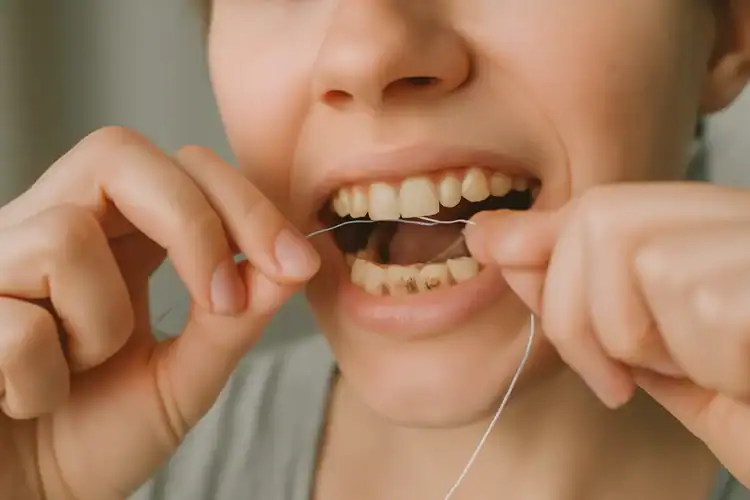
As we explained, brushing too quickly, not cleaning along the gumline properly, or missing the back molars can allow plaque to remain on the teeth. About flossing, it is essential, but technique also matters. If plaque is not fully removed between the teeth, bacteria continue producing acids that weaken enamel over time.
We repeat that how often you eat sugary or acidic foods really matters. Even healthy brushing habits may not fully protect teeth if the mouth is constantly exposed to acids from soda, sports drinks, candy, dried fruit, or frequent snacking throughout the day.
Can You Get Cavities Even If You Brush Your Teeth?
To sum up: yes, you can get cavities even if you brush your teeth every day. While brushing is one of the most important parts of oral hygiene, it cannot always remove all plaque and bacteria from the mouth. Areas between teeth, around dental work, and along the gumline are especially difficult to clean thoroughly with brushing alone.
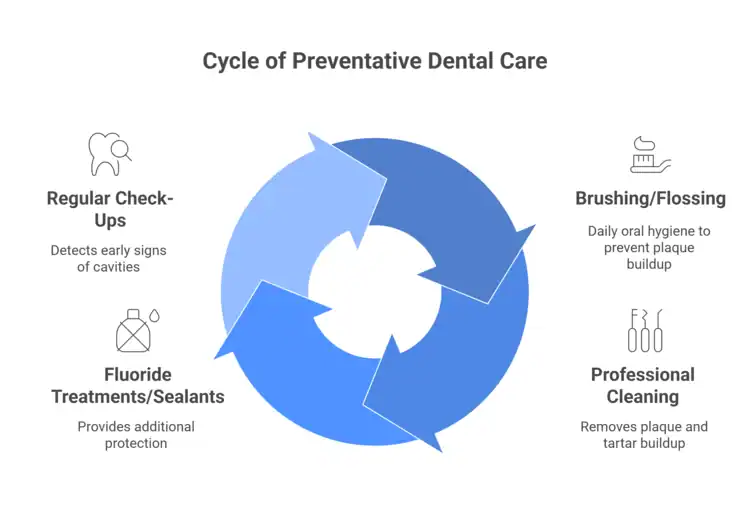
Dentists often recommend combining brushing with flossing, fluoride toothpaste, regular dental cleanings, and healthy eating habits for better cavity prevention. Patients who are more prone to cavities may also benefit from fluoride treatments, sealants, or more frequent dental checkups.
Best Practices to Avoid Cavities
To avoid cavities, you must adopt a comprehensive approach to oral care. Brushing twice a day is essential, but it’s just the start. Along with proper brushing, regular flossing is vital to clean areas that your toothbrush cannot reach. If you struggle to reach certain places, a dentist may recommend using tools such as an interdental brush or a water flosser.
Inadequate brushing and gum health issues can also contribute to tooth decay. If you’re experiencing bleeding gums, it helps to understand the main causes of bleeding gums
and how they may affect your overall dental health.
Good to read: How to Choose the Right Toothbrush
Furthermore, a balanced diet low in sugary foods is crucial for preventing cavities. Limit sugary snacks, soft drinks, and acidic foods. Instead, opt for tooth-friendly options that can help remineralize enamel, such as dairy products, leafy greens, and nuts. Many of these are known as cavity-preventing foods, since they naturally strengthen enamel and reduce the risk of tooth decay.
To avoid cavities, you must adopt a comprehensive approach to oral care. Brushing twice a day is essential, but it’s just the start. Along with proper brushing, regular flossing is vital to clean areas that your toothbrush cannot reach.
According to the Healthline website:
“Flossing loosens the particles that brushing misses. It also removes plaque and, in so doing, prevents the buildup of tartar.”
| Practice | Description | Why It Helps |
| Proper Brushing | Brush your teeth for at least two minutes, twice a day, with fluoride toothpaste. | Removes plaque and food particles, strengthens enamel. |
| Flossing Daily | Use floss or interdental brushes to clean between your teeth. | Removes plaque and food between teeth where a toothbrush can’t reach. |
| Fluoride Mouthwash | Use a fluoride mouthwash after brushing to help kill bacteria. | Neutralizes acids and adds extra protection against decay. |
| Dietary Adjustments | Limit sugary snacks and acidic beverages. | Reduces the bacteria that feed on sugars, preventing acid attacks. |
| Regular Dental Visits | Schedule cleanings and checkups with your dentist every six months. | Helps detect early signs of decay and keeps your teeth professionally cleaned. |
What Do Cavities Look Like?
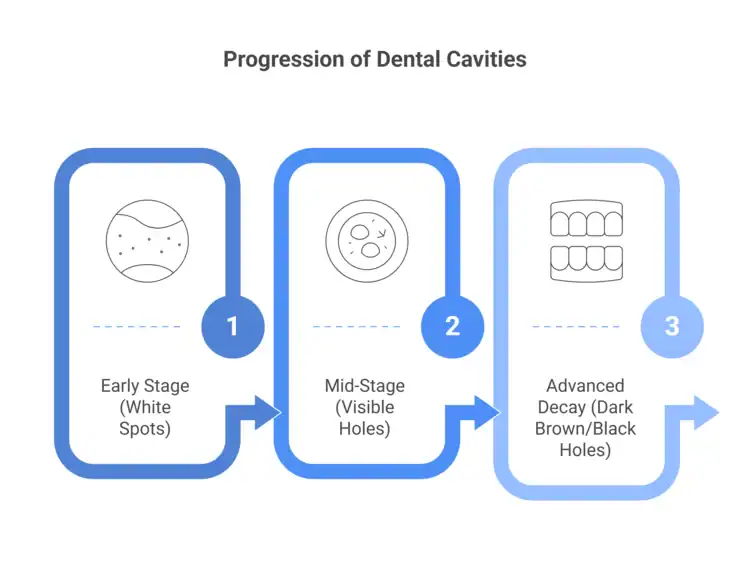
Initially, cavities may appear as small, white spots on the enamel, indicating early demineralization. If left untreated, these spots can develop into darker, more noticeable holes in the teeth. The color may vary from light brown to black, and in some cases, a cavity can become so large that it causes a noticeable hole. In later stages, cavities may cause pain, particularly when consuming hot, cold, or sweet foods and beverages.
Why Do Cavities Hurt?
Cavities don’t always cause pain initially. However, as the decay progresses, it can affect the deeper layers of the tooth, where the nerves are located. This can lead to sensitivity or sharp pain, especially when consuming certain foods or drinks. If the decay reaches the tooth pulp, it can lead to a tooth infection, which is often very painful and requires urgent treatment.
Good to read: What to Do if You Have a Toothache?
Contact Us for Help!
Brushing regularly but still struggling with cavities? Visit Tsawwassen Family Dental for quality care and personalized solutions to protect your smile.
Preventing Cavities Beyond Brushing and Flossing
- Professional dental cleanings: Brushing and flossing may miss areas that accumulate plaque and tartar. Regular cleanings by a dentist ensure these buildups are removed, preventing potential decay.
- Fluoride toothpaste: Fluoride helps strengthen tooth enamel, making it more resistant to decay. For individuals prone to cavities, using fluoride toothpaste is an easy and effective preventive measure.
- Fluoride treatments and dental sealants: For added protection, fluoride treatments can be applied by your dentist, especially for those with weakened enamel. Dental sealants, often recommended for children or individuals with deep grooves in their teeth, act as a protective barrier against plaque and bacteria.
- Limiting sugary snacks: Frequent consumption of sugary foods fuels the growth of bacteria that cause cavities. Reducing the frequency of these snacks limits the acid production that leads to tooth decay.
- Drinking water throughout the day: Water helps rinse away food particles and neutralize acids, reducing the risk of plaque buildup and preventing cavities.
For those who are already experiencing cavities and asking themselves, ‘Why do I get cavities even though I brush?’, treatment options, such as cavities & fillings, can help restore the tooth and prevent further damage.
Brush Smarter, Stay Healthier
Preventing cavities involves more than just brushing twice a day. A good oral care routine includes brushing properly, flossing daily, and limiting your intake of sugary foods. Additionally, regular dental checkups, fluoride treatments, and a balanced diet all contribute to healthier teeth and gums. By combining these efforts, you can prevent cavities and maintain
a confident, healthy smile.
If you are experiencing severe pain or discomfort due to critical cavities and live in Delta, Tsawwassen Family Dental recommends booking an appointment with our emergency dentist as soon as possible to receive the best cavity and dental filling services.
From a clinical perspective, dentists frequently see patients who maintain good brushing habits but still develop cavities. This is because cavity prevention depends on multiple factors beyond brushing alone. Professional dental examinations help identify early enamel damage, plaque buildup, dry mouth issues, bite problems, and dietary habits that may increase cavity risk.
FAQ
Here are some frequently asked questions that can help you further understand cavity prevention and care:
-
Why do I get cavities even with good brushing?
Even with good brushing, cavities can form if you miss certain areas, don’t floss regularly, or eat too much sugar. Plaque builds up between your teeth, which can lead to cavities over time. That’s why we recommend that you visit your dentist regularly.
-
Does brushing harder prevent cavities?
Brushing harder can damage your enamel and gums. It’s more important to use the proper technique with a soft-bristled toothbrush and fluoride toothpaste.
-
Can diet alone cause cavities?
Yes, a diet high in sugars and acids provides the bacteria in your mouth with fuel to produce acids that break down your enamel, leading to cavities. A healthy diet, along with good oral care, helps prevent cavities. For additional care, periodontal gum care is crucial to maintain overall oral health.
-
How often should I see a dentist to avoid cavities?
It’s recommended to visit your dentist at least twice a year for professional cleanings and checkups. Regular visits help detect and treat cavities before they become severe. If you’re already dealing with cavities, root canal treatment may be needed in severe cases.
-
Is flossing really necessary if I brush twice a day?
Yes, flossing is essential because it cleans areas between your teeth that a toothbrush can’t reach. It helps remove plaque and food particles, which can cause cavities if left behind.
-
Why do I get cavities even though I floss every day?
Even if you floss daily, cavities can still develop because of factors like diet, dry mouth, genetics, enamel strength, or improper flossing technique. Regular dental checkups help identify hidden causes of tooth decay and improve prevention.
Have you ever wondered why brushing isn’t enough to prevent cavities? Share your experiences or questions with us right in the comments