

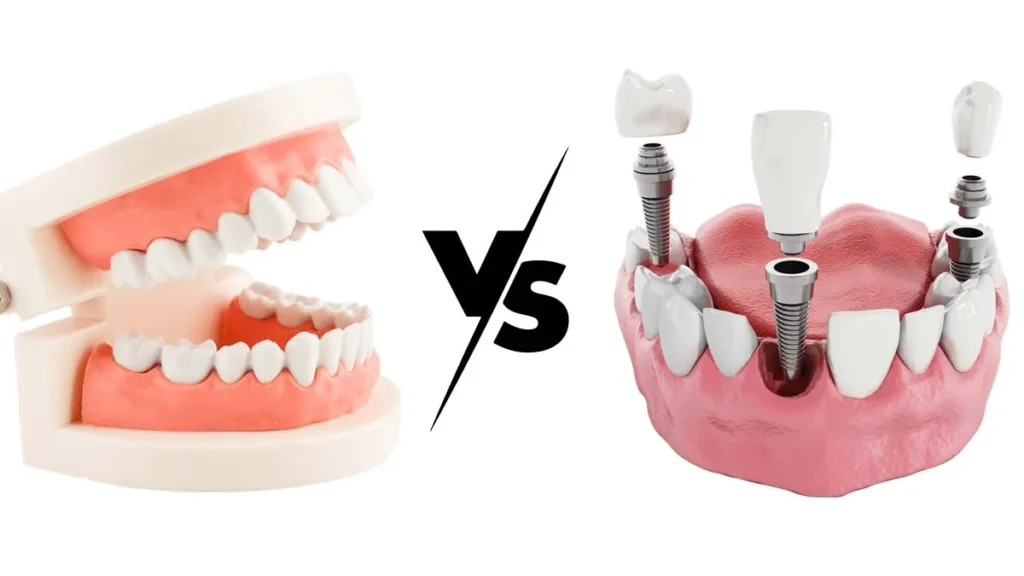
Losing a tooth or multiple teeth can significantly impact your daily life, affecting everything from eating and speaking to your self-confidence. Fortunately, modern dentistry offers excellent tooth replacement options to restore your smile and oral function. Two of the most common and effective solutions are dentures and dental implants.
Deciding how to choose between dentures and dental implants can feel overwhelming, as each option presents unique benefits and considerations. This guide is designed to help you understand the differences, weigh your personal needs, and make an informed decision for your oral health journey here in Vancouver.
Understanding Your Tooth Replacement Options
Before diving into the comparison, let’s explore what each tooth replacement option entails.
What Are Dentures?
Dentures are removable appliances designed to replace missing teeth and surrounding tissues. They are custom-made to fit comfortably in your mouth and are typically made from acrylic resin, sometimes combined with metal.
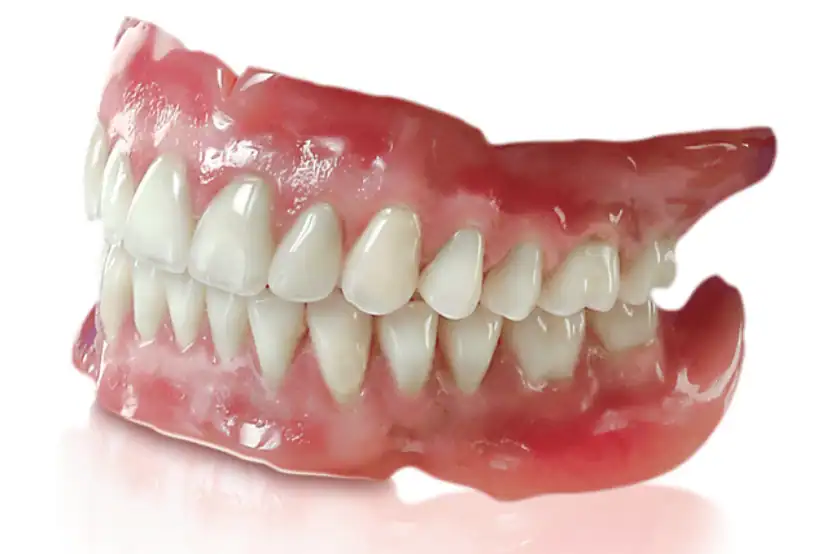
There are several types of dentures:
- Complete Dentures: Used when all teeth in an arch (upper or lower) are missing. They rest directly on the gums.
- Partial Dentures: Used when some natural teeth remain. They consist of replacement teeth attached to a gum-coloured base, often with clasps that connect to your natural teeth.
- Immediate Dentures: Placed immediately after teeth extraction, allowing you to have teeth during the healing period. They often require adjustments or relining after the gums have healed.
With these in mind, let’s take a look at the pros and cons of dentures.
Pros of Dentures:
- Generally, more affordable upfront compared to implants.
- Non-invasive procedure (no surgery required for placement).
- Provide a relatively quick solution for tooth replacement.
- Can be a good option for individuals who are not candidates for surgery.
Cons of Dentures:
- May slip or shift, especially when eating or speaking, requiring adhesive.
- Can feel bulky or uncomfortable initially.
- Do not prevent jawbone loss over time, which can lead to changes in facial structure.
- Require daily removal for cleaning and soaking.
- Typically need to be relined or replaced every 5-10 years.
- Some foods may be difficult to eat.
What Are Dental Implants?
Dental implants are a more permanent and advanced solution for missing teeth. They consist of three main components:
- The Implant Post: A small, titanium screw surgically placed into the jawbone where the tooth is missing. This acts as an artificial tooth root.
- The Abutment: A connector piece that attaches to the implant post.
- The Crown: A custom-made, natural-looking porcelain or ceramic tooth that is attached to the abutment, restoring the visible part of your tooth.
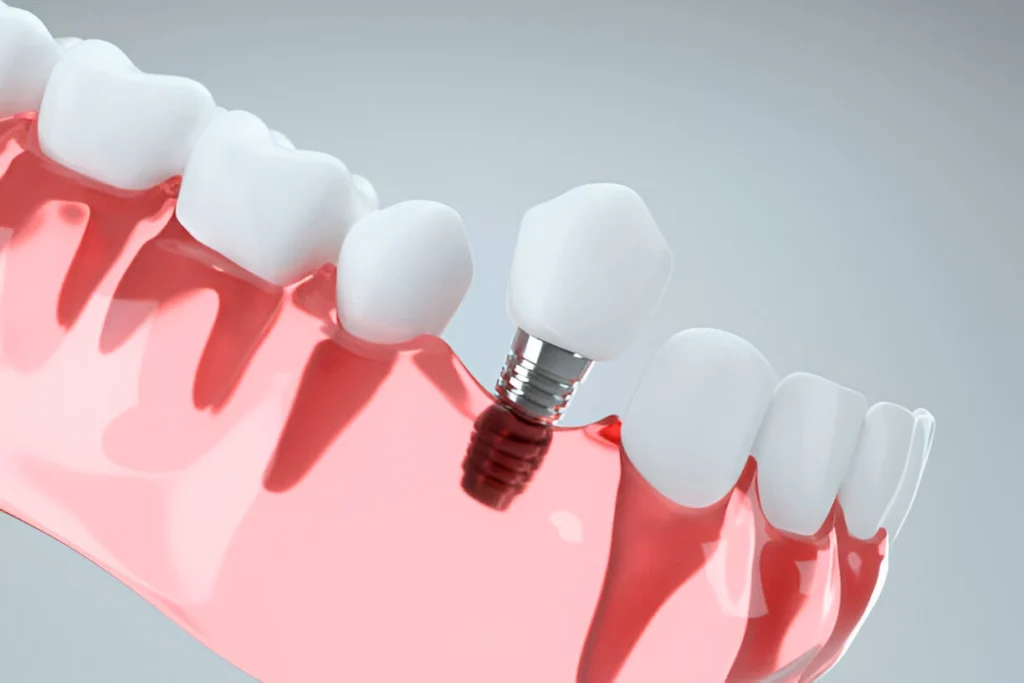
Dental implants can replace a single tooth, multiple teeth, or even support a full arch of teeth with implant-supported dentures. Let’s take a look at the advantages and disadvantages of dental implants.
Pros of Dental Implants:
- Highly stable and secure, functioning like natural teeth.
- Stimulate the jawbone, preventing bone loss and preserving facial structure.
- Long-lasting solution, often for a lifetime with proper care.
- Do not require adhesives or special cleaning routines beyond regular brushing and flossing.
- Restore full chewing power and natural speech.
- Excellent aesthetics, blending seamlessly with natural teeth.
Cons of Dental Implants:
- Higher initial cost compared to traditional dentures.
- Requires a surgical procedure, which means a longer treatment timeline and recovery period.
- Not everyone is a suitable candidate, especially those with insufficient bone density or certain health conditions.
- Potential for dental implant pain or discomfort during the healing process, though typically manageable with medication.
- Though rare, complications like infection or implant failure can occur.
Key Factors to Consider When Choosing
Making an informed decision between dental implants vs dentures involves evaluating several personal factors. Consider these key areas:
Oral Health and Bone Density
Your current oral health and good oral hygiene play a crucial role in determining your eligibility for dental implants. Implants require sufficient jawbone density and healthy gums to be successful. If you have experienced significant bone loss due to missing teeth or periodontal disease, you may require bone grafting before implant placement, which adds to the cost and treatment time.
For those with compromised oral health or insufficient bone structure, dentures might be a more straightforward solution, though they do not prevent future bone loss.
Lifestyle and Comfort
Think about your daily routine and what level of comfort and convenience you desire. Dentures are removable, meaning they need to be taken out for cleaning and soaking. Some people find them less comfortable or worry about them shifting.
Dental implants, on the other hand, are fixed and become a part of your mouth, offering a feeling that is very close to natural teeth. They require the same care as your natural teeth, making them a seamless addition to your lifestyle.
Aesthetics and Functionality
Both options can restore your smile’s aesthetics, but dental implants generally offer a more natural look and feel. Because they are integrated into your jawbone, implants prevent the sunken facial appearance that can occur with long-term denture use due to bone loss.
In terms of functionality, dental implants provide superior chewing power, allowing you to enjoy all your favourite foods without restriction. Dentures, while functional, may limit certain foods and can sometimes affect speech initially.
Cost and Investment
The cost of dental implants is typically higher upfront than the cost of dentures. This is due to the surgical procedure, materials, and the specialized expertise required. However, it’s important to view this as a long-term investment. Implants often last a lifetime, while dentures may need replacement or relining every few years, incurring recurring costs.
In Vancouver, dental costs can vary. It’s advisable to discuss payment plans and potential coverage from provincial plans or private insurance with your dental clinic.
Longevity and Maintenance
Dental implants boast impressive dental implants longevity, often lasting 20 years or more, and frequently a lifetime, with proper oral hygiene and regular dental check-ups. They are maintained just like natural teeth.
Dentures’ lifespan is shorter, usually requiring replacement or significant adjustments every 5 to 10 years as your mouth changes. They also require specific cleaning routines, including daily removal and soaking.
Explore Your Tooth Replacement Options Further
Are you unsure which option is right for you? Don’t worry, since our Vancouver dental clinic offers expert guidance to help you make the best choice. Let us help you find the perfect solution for your smile. Contact us today to arrange your appointment.
Dental Implants vs. Dentures
To help you better understand dental implants vs dentures, here’s a detailed comparison:
| Feature | Dentures | Dental Implants |
|---|---|---|
| Type of Solution | Removable | Permanent (fixed) |
| Initial Cost | Lower | Higher |
| Longevity | 5-10 years, requires replacement | 20+ years, often lifetime |
| Bone Health | Prevents jawbone loss by stimulating bone | Can feel bulky, may slip; requires an adjustment period |
| Comfort & Feel | Good; can look natural, but may not prevent facial changes | Feels and functions like natural teeth; highly comfortable |
| Chewing Ability | Reduced chewing efficiency; some food restrictions | Restores full chewing power; no food restrictions |
| Maintenance | Daily removal for cleaning and soaking | Brush and floss like natural teeth |
| Impact on Speech | May initially affect speech; can improve with practice | No impact on speech once healed |
| Aesthetics | Surgical placement of titanium posts into the jawbone | Excellent; highly natural appearance, preserves facial structure |
| Procedure | Non-surgical; impressions taken, then fitted | Requires good oral health and sufficient bone density (dental implant candidacy) |
| Candidacy | Suitable for most individuals | Requires good oral health and sufficient bone density |
The Last Steps for Making an Informed Decision
Ultimately, the best choice for tooth replacement is a personal one, influenced by your unique circumstances, health, and budget. Here’s a general guide:
When Dentures Might Be Right For You
- You are looking for a more immediate and less invasive solution.
- Your budget is a primary concern for the initial investment.
- You have significant bone loss that makes implant surgery complex or impossible without extensive grafting.
- You prefer a removable option for cleaning.
When Dental Implants Might Be Your Best Choice
- You desire a permanent, stable, and long-lasting solution.
- You want to preserve your jawbone and facial structure.
- You prioritize the most natural look, feel, and function.
- You are willing to invest more initially for a solution that can last a lifetime.
- You are a suitable candidate for minor oral surgery.
For those currently wearing dentures, it’s worth exploring dentures to implants conversion, where implants can be used to stabilize existing or new dentures, offering a hybrid solution with enhanced stability and comfort.
The Importance of a Professional Consultation
Learning how to choose between dentures and dental implants is a complex decision that should always be made in consultation with a qualified dental professional. A thorough examination, including X-rays and possibly 3D scans, will assess your oral health, bone density, and overall suitability for each treatment.
Your dentist will discuss your medical history, lifestyle, aesthetic goals, and financial considerations to recommend the most appropriate tooth replacement options tailored specifically for you.
Conclusion
Deciding how to choose between dentures and dental implants is a crucial step towards restoring your oral health and confidence. Both options offer effective ways to replace missing teeth, but they differ significantly in terms of stability, longevity, cost, and overall experience. Dental implants provide a long-term, natural-feeling solution that supports jawbone health, while dentures offer a quicker, more affordable, and non-invasive alternative.
The most important takeaway is that your decision should be personalized. At Tsawwassen Family Dental, we encourage you to schedule a comprehensive consultation with our experienced dental team. Contact us, and we will thoroughly assess your unique situation, discuss your goals, and help you determine the best path forward for a healthy, beautiful smile.
FAQ
Is getting dental implants painful?
The implant placement procedure is performed under local anesthesia, so you shouldn’t feel pain during the surgery. Post-operative discomfort is common but usually manageable with prescribed pain medication and typically subsides within a few days.
How long does the dental implant process take?
The entire dental implant process, from initial surgery to final crown placement, can take several months. This includes the time needed for osseointegration, where the implant fuses with your jawbone, which is crucial for stability.
Can I switch from dentures to dental implants?
Yes, many individuals choose to transition from traditional dentures to dental implants or implant-supported dentures. This process, often referred to as dentures to implants conversion, can significantly improve stability, comfort, and quality of life. Your eligibility will depend on your current oral health and bone density.
What is the average denture lifespan?
The average dentures lifespan is typically between 5 and 10 years. Over time, the shape of your jawbone changes, causing dentures to fit less snugly and potentially requiring relining or replacement.
Are there any disadvantages of dental implants I should be aware of?
Key disadvantages of dental implants include the higher initial cost, the surgical nature of the procedure, and the longer overall treatment timeline. While rare, complications like infection or nerve damage can occur, as with any surgical procedure. Proper planning and an experienced dental team minimize these risks.
Do you have experiences or questions about dentures or dental implants?
Share your questions or concerns below.
Others may benefit from your experience.