

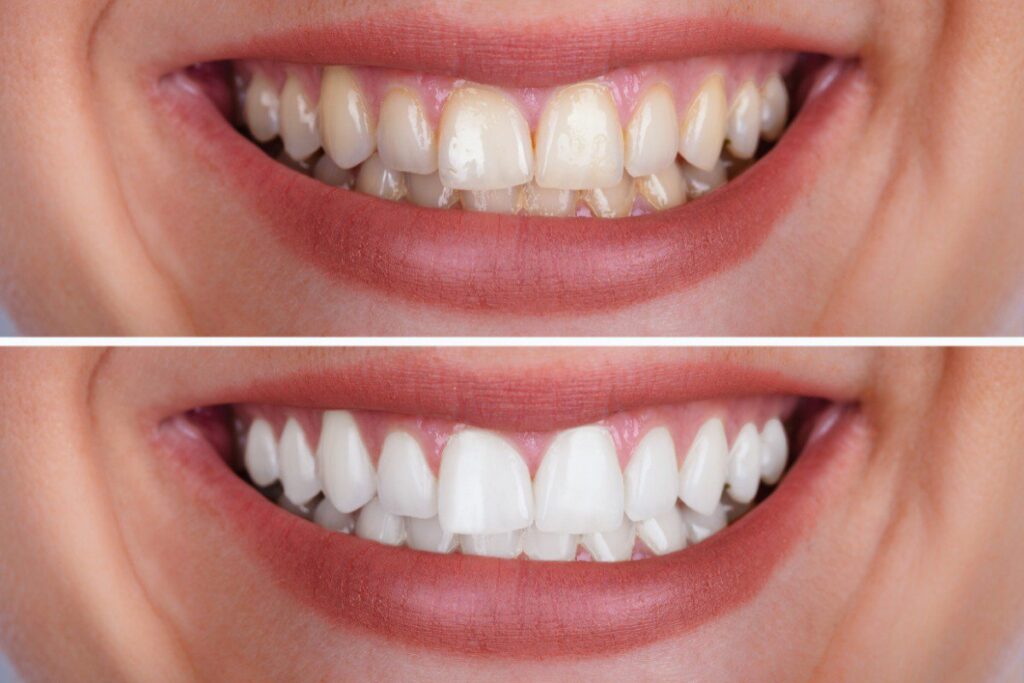
The desire for a brighter, whiter smile is common, but for many, this aspiration comes with a significant concern: teeth sensitivity. If you’ve ever experienced a sharp twinge from hot coffee or ice cream, you know how uncomfortable sensitive teeth can be. This often leads to a crucial question: Is teeth whitening safe for sensitive teeth?
The good news is that achieving a radiant smile is often possible even if you have sensitive teeth. However, it requires a thoughtful, informed approach, ideally guided by a dental professional. In this comprehensive guide, we’ll explore everything you need to know about teeth whitening and sensitivity, offering insights into safe practices and effective solutions.
Understanding Teeth Sensitivity
Before diving into whitening options, it’s essential to understand what causes teeth sensitivity in the first place and how teeth whitening might affect it. Sensitive teeth, also known as dentin hypersensitivity, occur when the softer inner layer of your tooth, called dentin, becomes exposed.
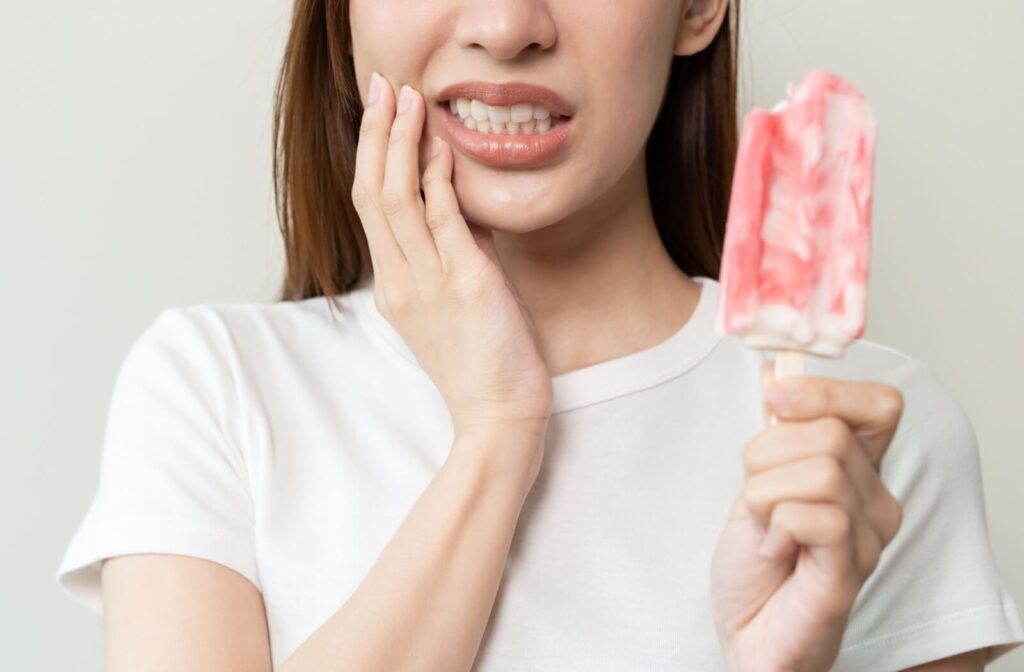
What Exactly Causes Sensitive Teeth?
Dentin contains thousands of microscopic tubules that lead to the tooth’s nerve centre. When these tubules are exposed, external stimuli such as hot, cold, sweet, or acidic foods and drinks can reach the nerves, causing sudden, sharp pain. Common causes of teeth sensitivity include:
- Worn Enamel: The protective outer layer of the tooth can erode due to aggressive brushing, acidic foods, or teeth grinding.
- Gum Recession: Gums can recede, exposing the tooth roots, which are not covered by enamel.
- Cavities or Cracks: Damage to the tooth structure can expose the dentin.
- Exposed Dentin: Resulting from various factors, this is the direct cause of the pain.
How Does Teeth Whitening Affect Sensitivity?
Teeth whitening products typically use active ingredients like hydrogen peroxide or carbamide peroxide. These agents work by penetrating the enamel to break down stain molecules. While effective, this process can temporarily open the dentinal tubules, allowing the whitening agent to reach the nerves and potentially increase teeth sensitivity after whitening.
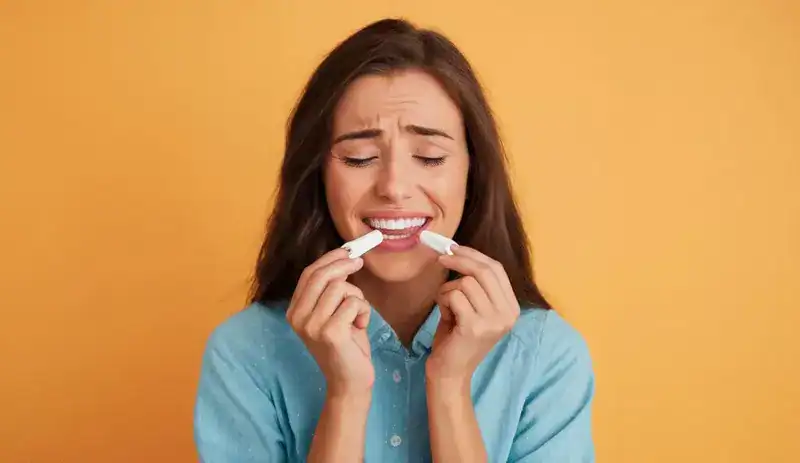
This increased sensitivity is usually temporary and subsides shortly after the whitening treatment. However, for individuals who already have sensitive teeth, this effect can be more pronounced. Understanding this mechanism is key to choosing the safest teeth whitening for sensitive teeth.
Is Teeth Whitening Safe for Sensitive Teeth? The Short Answer
Yes, teeth whitening can be safe for sensitive teeth, but with important caveats. The safety and comfort of the process largely depend on several factors: the method used, the concentration of the whitening agent, the duration of treatment, and, most importantly, whether you consult with a dental professional beforehand. Self-treating without proper guidance can exacerbate existing sensitivity or cause new issues.
Professional Teeth Whitening: The Safest Path for Sensitive Smiles
For individuals with sensitive teeth, professional dentist teeth whitening for sensitive teeth is often the recommended and safest teeth whitening for sensitive teeth option. A dentist can assess your oral health, identify the underlying causes of your sensitivity, and tailor a whitening plan that minimizes discomfort while maximizing results.
In-Office Whitening Treatments
Professional in-office whitening treatments are performed under the direct supervision of a dentist. These procedures use higher concentrations of whitening agents but include several protective measures:
- Customized Protection: Your gums and other soft tissues are carefully protected with a barrier to prevent irritation.
- Controlled Application: The whitening gel is applied precisely to your teeth, ensuring even coverage and preventing contact with sensitive areas.
- Desensitizing Agents: Dentists often incorporate desensitizing agents, such as fluoride or potassium nitrate, into the treatment or recommend them for use before and after the procedure.
- Adjustable Intensity: The dentist can adjust the intensity and duration of the treatment based on your comfort level.
Don’t Take Risks with Sensitive Teeth
If you have sensitive teeth, choosing the wrong whitening method can increase discomfort and even damage your enamel. The safest approach is to consult a dental professional before starting any treatment. At our clinic, we offer in-office whitening options designed to minimize sensitivity and maximize results.
Custom Take-Home Whitening Kits
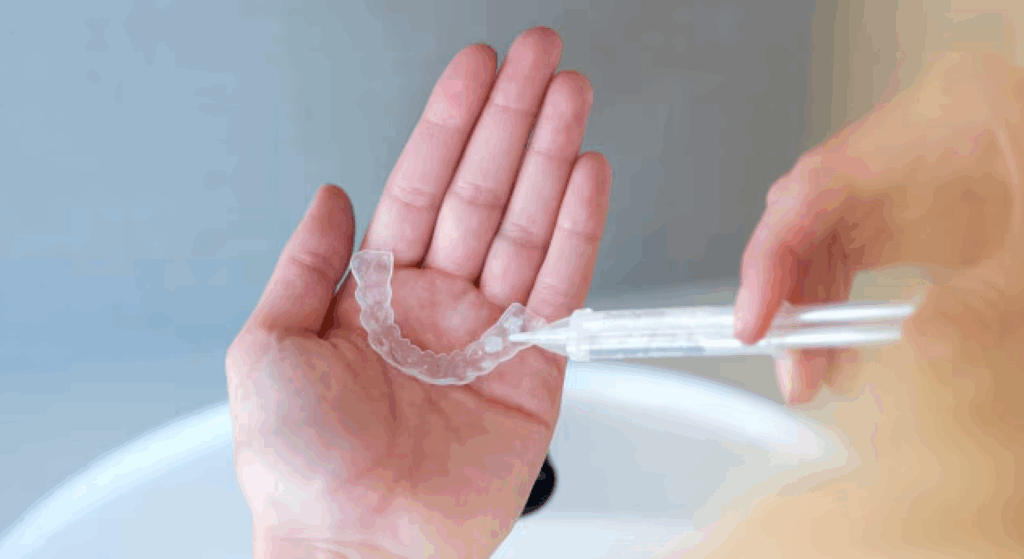
Another excellent professional option for sensitive teeth is a custom take-home whitening kit provided by your dentist. These kits include:
- Custom-Fitted Trays: Impressions of your teeth are used to create trays that fit perfectly, ensuring the whitening gel stays on your teeth and away from your gums.
- Professional-Grade Gel: The gel provided is typically more potent than over-the-counter options but is used at a lower concentration over a longer period, reducing the risk of sensitivity.
- Dentist Guidance: Your dentist will provide clear instructions on how to use the kit safely and effectively, including advice on managing any sensitivity.
At-Home Whitening Options for Sensitive Teeth
While professional treatments offer the most controlled environment, there are also at-home teeth whitening for sensitive teeth options available. It’s crucial to approach these with caution and, ideally, after discussing them with your dentist.
Over-the-Counter Whitening Strips and Gels
Many brands offer teeth whitening strips for sensitive teeth or gels specifically formulated with lower concentrations of whitening agents or added desensitizing ingredients. When choosing these products:
- Look for Desensitizing Ingredients: Products containing potassium nitrate or strontium chloride can help reduce sensitivity.
- Follow Instructions Carefully: Do not exceed the recommended application time or frequency, as this can increase sensitivity and gum irritation.
- Choose Reputable Brands: Opt for products from well-known brands that have been approved by dental associations in Canada.
Whitening Toothpastes and Mouthwashes
These products typically contain mild abrasive agents or very low concentrations of whitening chemicals to gently remove surface stains. They are generally considered safe for sensitive teeth but offer more subtle results compared to stronger treatments. They can be a good option for maintaining a bright smile after a professional whitening session.
Natural Whitening Methods: Proceed with Caution
Many online sources suggest how to whiten sensitive teeth naturally using ingredients like baking soda, lemon juice, or activated charcoal. While some of these might have mild abrasive properties, they often lack scientific evidence for effective whitening and can be harmful:
- Acidic Ingredients (e.g., lemon juice): Can erode tooth enamel, leading to increased sensitivity and damage.
- Abrasive Ingredients (e.g., baking soda, charcoal): Can wear down enamel if used improperly or too frequently, also leading to sensitivity.
It’s best to avoid these methods, especially if you already have sensitive teeth, and instead rely on dentist-approved solutions.
Tips to Minimize Sensitivity During and After Whitening
Even with careful planning, some degree of sensitivity can occur. Here are practical tips to reduce sensitivity during teeth whitening and afterwards:
Before Whitening
- Consult Your Dentist: Always the first step to ensure you’re a suitable candidate and to get personalized advice.
- Use Desensitizing Toothpaste: Start using a desensitizing toothpaste for whitening containing potassium nitrate or strontium chloride for at least two weeks before your whitening treatment.
- Avoid Acidic Foods: Reduce consumption of highly acidic foods and drinks in the days leading up to your treatment.
During Whitening
- Follow Instructions Precisely: Adhere strictly to your dentist’s instructions for professional kits, or the product’s instructions for OTC options.
- Reduce Application Time/Frequency: If sensitivity becomes uncomfortable, try shortening the application time or increasing the time between treatments.
- Use Desensitizing Gel: Your dentist might provide or recommend a desensitizing gel to use with your whitening trays.
After Whitening
- Continue Desensitizing Toothpaste: Keep using desensitizing toothpaste for a few weeks post-treatment.
- Avoid Hot/Cold Extremes: For a day or two after whitening, try to avoid very hot or cold foods and drinks.
- Maintain Good Oral Hygiene: Regular brushing with a soft-bristled brush and flossing can help maintain oral health and prevent future sensitivity.
When to Consult Your Dentist in Vancouver
While this guide offers general advice, individual circumstances vary greatly. You should always consult your dentist before embarking on any teeth whitening regimen, especially if you have existing sensitive teeth. A professional examination can reveal underlying issues contributing to sensitivity, such as cavities, gum disease, or exposed roots, which need to be addressed before whitening.
Your dentist can recommend the best teeth whitening for sensitive teeth that is appropriate for your specific oral health needs, ensuring both safety and optimal results. They can also provide a realistic expectation of outcomes and help you maintain your beautiful, white smile long-term.
Conclusion
Is teeth whitening safe for sensitive teeth? The answer is a resounding yes, when approached correctly and, ideally, with professional guidance. While the desire for a dazzling smile is strong, it’s paramount to prioritize your oral health and comfort, especially if you experience sensitivity.
By understanding the causes of tooth sensitivity after whitening, exploring safe, effective options like professional teeth whitening for sensitive teeth, and implementing smart tips to minimise discomfort, you can achieve the bright, confident smile you’ve always wanted. Don’t let sensitivity deter you; instead, contact us to guide you towards making informed choices for a healthy, radiant smile.
FAQ
What is the safest way to whiten sensitive teeth?
The safest way is under the supervision of a dentist, using professional in-office treatments or custom take-home kits. These methods allow for controlled application and the use of desensitizing agents to protect your teeth.
Why do my teeth hurt after whitening?
Teeth hurt after whitening because the whitening agents temporarily open microscopic tubules in your tooth enamel, allowing stimuli to reach the nerves. This sensitivity is usually temporary and resolves within a few days.
Are natural teeth whitening methods safe for sensitive teeth?
Most natural whitening methods, such as those using lemon juice or baking soda, are not recommended for sensitive teeth. They can be abrasive or acidic, potentially eroding enamel and worsening sensitivity.
How long does tooth sensitivity last after whitening?
Typically, sensitivity after teeth whitening is temporary and subsides within 24 to 48 hours. For some individuals, it might last a few days. If sensitivity persists, contact your dentist.
Do you have experiences or questions about teeth whitening for sensitive teeth?
Share your questions or concerns below.
Others may benefit from your experience.