


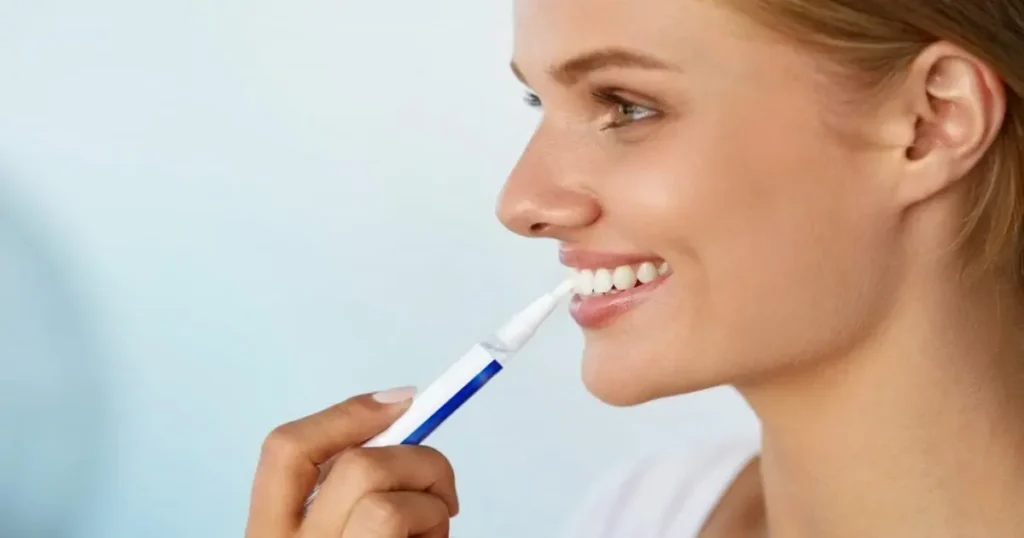
Dentist-only whitening pens are generally safer and more effective than store-bought options because they use controlled teeth whitening agents and are prescribed based on your specific teeth and enamel condition. Unlike over-the-counter pens, they’re designed to deliver measurable whitening without increasing the risk of sensitivity or uneven results.
In this article, you’ll learn what makes professional whitening pens different, how effective they are compared to strips and OTC pens, who benefits most from them, and how they fit into modern professional teeth whitening options in 2025.
List of The Best Whitening Pens
Here is the list of the best whitening pens brought to you by Tsawwassen Family Dental:
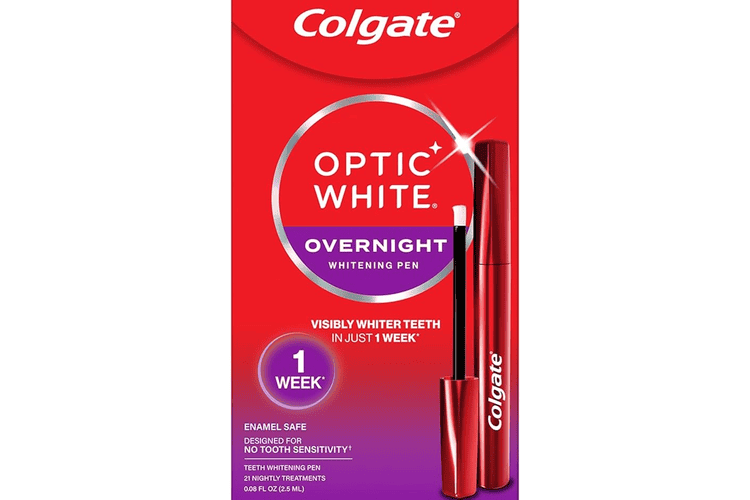
1. Colgate Optic White Overnight Pen
Colgate’s Optic White Overnight Pen earns its place at the top for being reliable, easy to use, and consistent in results. Designed for overnight application, it allows the whitening serum to work gradually while minimizing disruption to daily routines. Its formula targets common surface stains effectively without requiring frequent reapplication, making it a strong all-around option for most users.
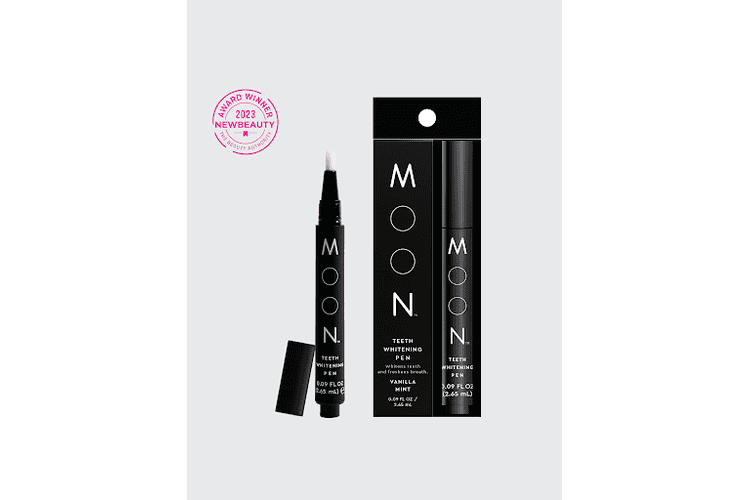
2. Moon Teeth Whitening Pen
Moon’s whitening pen stands out for its thoughtful dual-ended design, which enhances control and stain coverage. This approach allows users to apply the whitening serum more evenly, reducing the patchiness that can occur with basic pens. It’s a good choice for those who want a more intentional whitening process without moving to trays or strips.
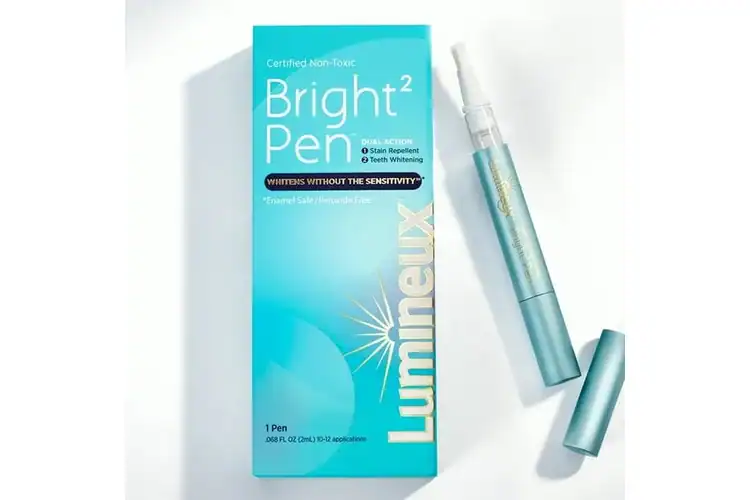
3. Lumineux Bright Pen
The Lumineux Bright Pen is often favored by people who experience tooth sensitivity with traditional whitening products. Its formulation avoids harsher bleaching agents and focuses on gentler whitening, making it more suitable for frequent use. While results may appear more gradual, it prioritizes comfort and enamel tolerance.
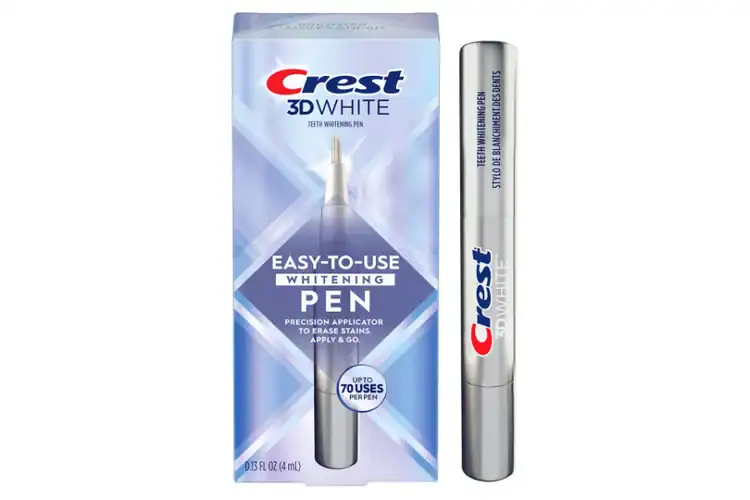
4. Crest 3DWhite Whitening Pen
Crest’s 3DWhite pen is designed for users looking for noticeable whitening from a compact, portable product. It performs well on visible surface stains and delivers faster brightness changes than milder pens. Because of its strength, it’s better suited for users who don’t typically struggle with sensitivity.
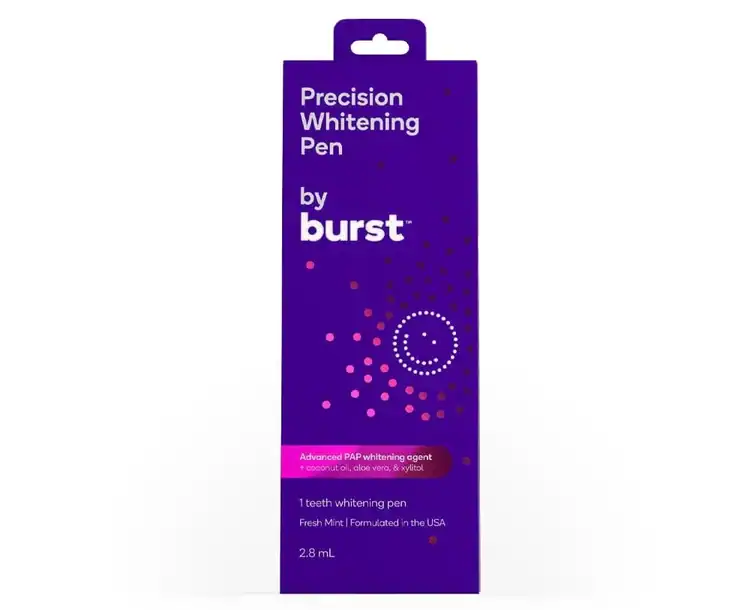
5. Burst Precision Whitening Pen
Burst’s whitening pen emphasizes precision. The narrow applicator tip helps limit contact with the gums, which can reduce irritation for people with sensitive soft tissue. This makes it a practical option for targeted whitening, especially around the front teeth.
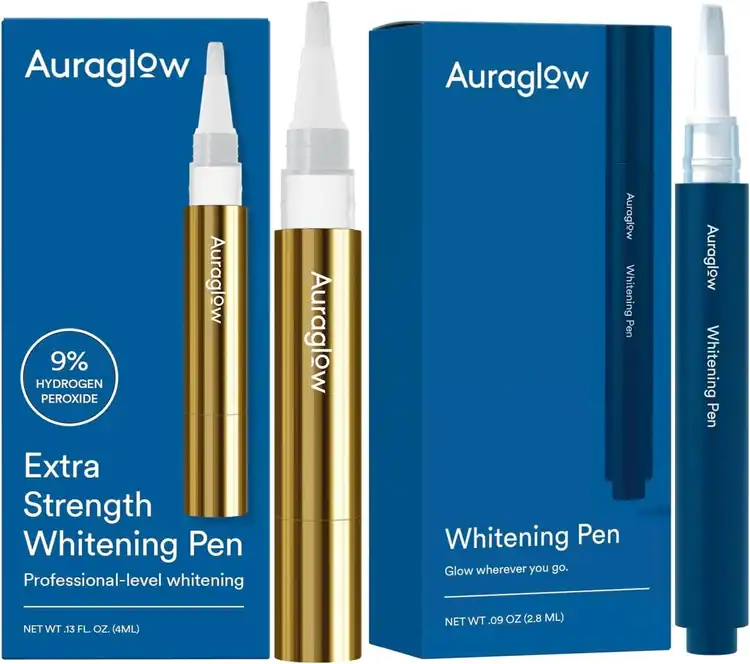
6. Auraglow Whitening Pen
Auraglow’s pen is designed to tackle deeper, more stubborn stains commonly caused by coffee, tea, wine, or smoking. Its formula penetrates surface discoloration more aggressively than many entry-level pens. Users who haven’t seen results from lighter products often turn to this option for stronger stain removal.
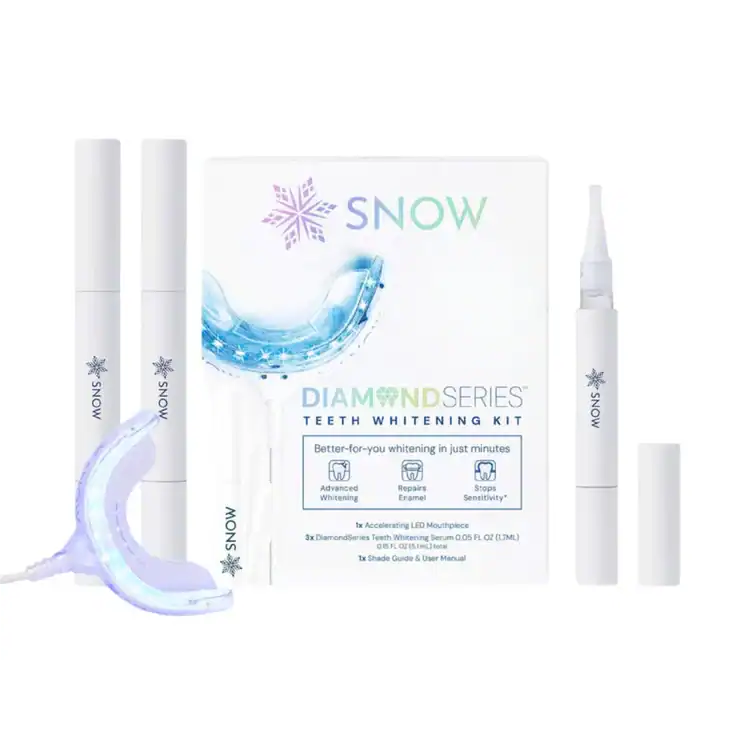
7. Snow Diamond Series Whitening Serum
The Snow Diamond Series Whitening Serum is frequently chosen for its balance between performance and cost. It delivers consistent whitening results without requiring an expensive in-office treatment and fits nicely into at-home routines. The serum format also gives users flexibility in how and when they apply it.
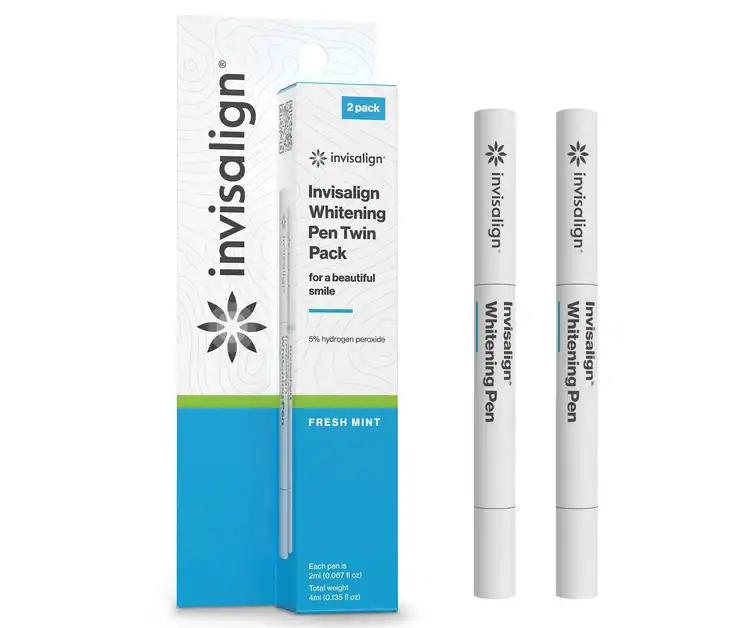
8. Invisalign Whitening Pen
The Invisalign Whitening Pen is built for convenience and speed. Its fast-drying formula allows for quick application without excess gel movement, making it suitable for touch-ups throughout the day. While it’s not designed for dramatic whitening on its own, it works well for maintaining brightness between more comprehensive treatments.
What Makes Dentist-Only Whitening Pens Different?
Understanding the difference between dentist-only whitening pens and over-the-counter options helps explain why many people see disappointing or uneven results with store-bought products.
- Long-term enamel safety: Supervised whitening prioritizes enamel preservation and long-term oral health. Repeated unsupervised use of OTC products can weaken enamel over time, making teeth more prone to staining and sensitivity.
- Strength control: Dentist-only whitening pens use professionally regulated concentrations of hydrogen peroxide or carbamide peroxide. These formulas are more potent than most OTC products but are designed to remain safe under supervision.
- Customization: Professional whitening pens are recommended based on your enamel condition, existing dental work, and the type of stain. OTC products apply the same approach to everyone, increasing the risk of uneven whitening, especially for patients with varying enamel thickness or prior restorations.
- Precision and gum protection: Dentist-only pens allow targeted application to specific teeth or areas, reducing gel contact with gums. Strips and generic pens often shift during use, leading to gum irritation or chemical burns.
- Consistency of results: Whitening guided by a dentist produces more predictable results because application timing, frequency, and duration are controlled. OTC products commonly cause patchy or blotchy whitening due to inconsistent contact and overuse.
- Sensitivity management: Professional whitening plans can be adjusted or paused if sensitivity develops. With OTC products, users often continue whitening despite discomfort, increasing the risk of enamel stress and prolonged sensitivity.
- Role within cosmetic dentistry: Dentist-only whitening pens are typically used as part of a broader cosmetic dentistry approach, either to maintain results after in-office whitening or as a controlled at-home option. OTC pens and strips are usually standalone products with no professional follow-up.
Read more: Does insurance cover teeth whitening?
How Effective Are Dentist-Only Whitening Pens in 2025?
In 2025, dentist-only whitening pens are most effective for extrinsic stains caused by coffee, tea, wine, or smoking. They are not intended to change tooth shade on their own dramatically but can noticeably brighten teeth when used consistently as directed.
Their effectiveness has improved due to better gel stability, improved delivery systems, and clearer compliance instructions. When paired with good oral hygiene and periodic professional cleanings, part of routine preventive dental care, results are more predictable and longer-lasting.
These pens are often used as part of a broader whitening strategy, such as maintaining results after chairside whitening or supplementing at-home professional whitening programs.
Who Is a Good Candidate for Professional Whitening Pens
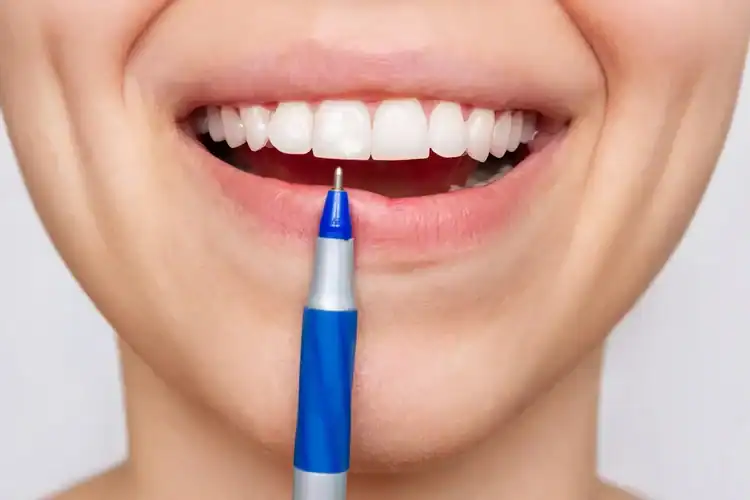
Professional whitening pens are best suited for patients with healthy teeth and gums who are looking for gradual, controlled whitening. They work well for people who experience mild sensitivity with stronger whitening methods.
They are particularly helpful for patients managing sensitivity issues. However, patients with intrinsic stains, extensive restorations, or enamel erosion may need alternative whitening approaches instead of pens alone.
For those who are still indecisive about whether to use whitening pens or not, this is what Health.com says:
“If you’re looking for an easy, mess-free way to brighten your smile, teeth whitening pens are an excellent option. These portable, easy-to-use teeth whiteners are perfect for targeting stains and brightening on the go, as you can apply the whitening formula precisely where needed.”
Read more: Dealing with tooth sensitivity
Dentist-Only Whitening Pens vs OTC Pens and Strips
The biggest difference between professional and OTC whitening pens lies in consistency and safety. Over-the-counter products use lower-strength formulas designed to be “one-size-fits-all,” which often leads to uneven results or minimal whitening.
Dentist-only pens, on the other hand, are part of a supervised plan. This reduces common problems like blotchy color, overuse, or prolonged sensitivity, issues frequently seen when whitening is done without guidance. Compared to strips, professional pens also allow for more precise application and less gum exposure.
Patients who have experienced inconsistent results with OTC products often benefit from switching to dentist-guided whitening rather than continuing trial-and-error at home.
Read more: Teeth whitening aftercare tips
Don’t Know When to Eat After a Dental Filling?
If over-the-counter whitening products haven’t worked for you, a professional approach may make the difference. At Tsawwassen Family Dental, we evaluate your sensitivity risk, and goals before recommending whitening solutions.
See Safer Results Using Dentist-Only Whitening Pens
Dentist-only whitening pens in 2025 offer a safer, more reliable alternative to store-bought whitening products, especially for patients seeking controlled, gradual results. While they aren’t meant to replace in-office whitening entirely, they play an essential role in maintenance and touch-up care when used correctly.
If you’re frustrated with uneven or weak results from over-the-counter whitening, Tsawwassen Family Dental can help determine whether professional whitening pens or another whitening option are right for your teeth and enamel health.
FAQ
Below are answers to common questions patients ask about professional whitening pens and how they compare to store-bought options.
-
Are dentist-only whitening pens stronger than store-bought options?
Yes. Dentist-only pens typically contain higher-quality whitening agents and are used under professional guidance, which improves effectiveness while maintaining enamel safety.
-
Do professional whitening pens cause sensitivity?
They can cause mild sensitivity, but the risk is lower than unsupervised OTC products because usage is tailored to your enamel and paused if discomfort occurs.
-
How long do results from whitening pens last?
Results vary based on diet and oral hygiene. With good habits and regular dental cleanings, results can last several months, mainly when used for maintenance after professional whitening.
Have you tried whitening pens before?
Share your experience or questions with us in the comments section