

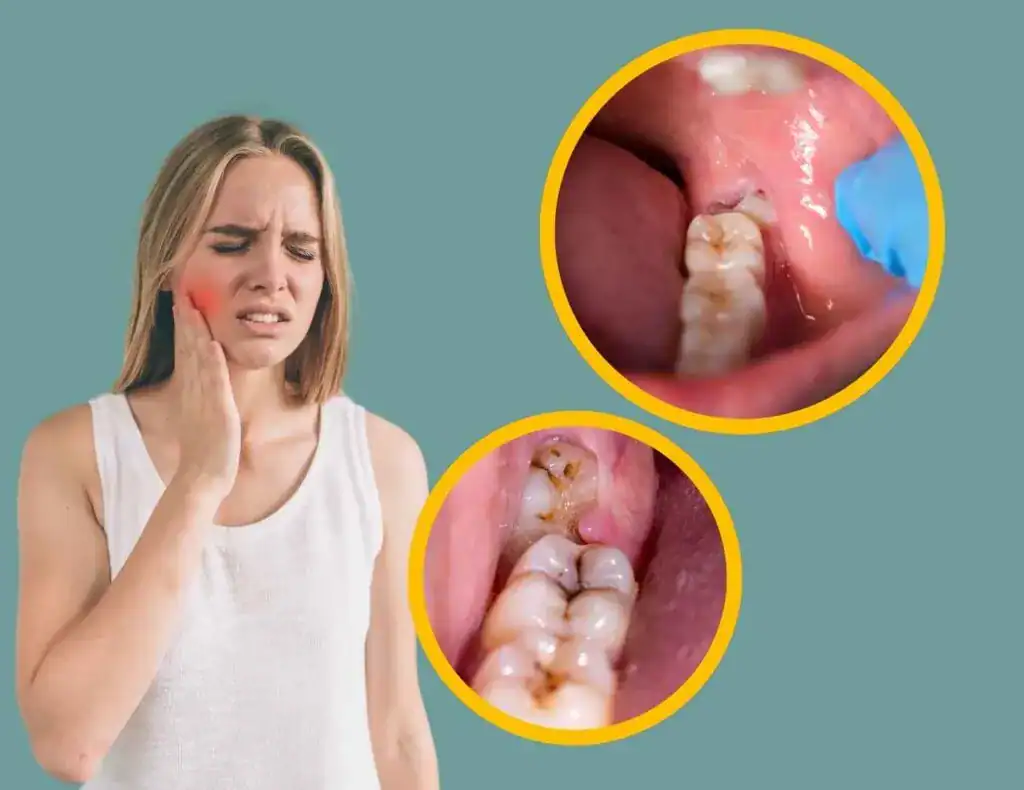
Wisdom teeth, also known as third molars, are the last set of teeth to emerge, typically between the ages of 17 and 25. While some people experience no issues, for many, these late arrivals can cause a host of problems. Recognizing the early signs that you need wisdom teeth removal is crucial for preventing more severe complications. At Tsawwassen Family Dental in Vancouver, we often help patients understand when it’s time to consider extraction.
What Are Wisdom Teeth?
Located at the very back of your mouth, wisdom teeth are a vestige from our ancestors who had larger jaws and a diet that required more chewing power. Modern humans often have smaller jaws, leaving insufficient space for these teeth to erupt properly. This lack of space is a primary reason why wisdom teeth frequently become problematic.
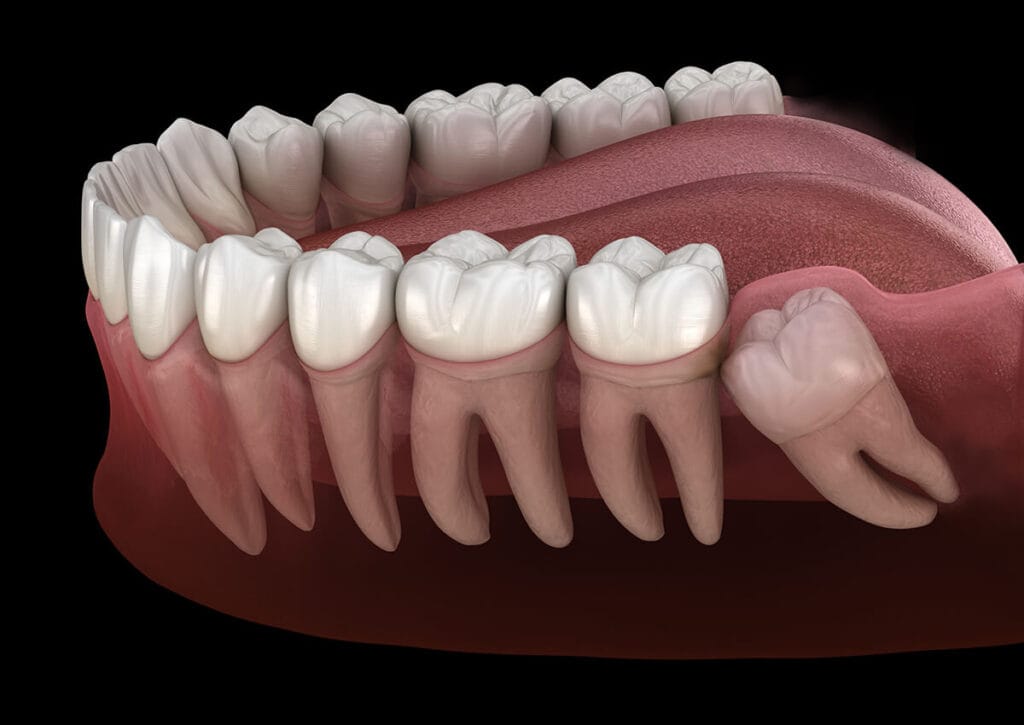
Understanding their nature helps explain why they can lead to discomfort and dental issues.
Common Signs You Need Wisdom Teeth Removal
Many indicators suggest your wisdom teeth might need attention. These signs can range from mild discomfort to severe pain and infection. Paying close attention to these symptoms can help you seek timely treatment.
Persistent Wisdom Teeth Pain
One of the most common signs you need wisdom teeth removal is persistent pain. This pain can manifest in various ways, from a dull ache to sharp, throbbing sensations. It often occurs at the back of the jaw, near the ear, or even in the temples, leading to wisdom teeth headaches. The pain can be intermittent or constant, and may worsen when chewing or opening your mouth wide. Serious wisdom tooth pain should never be ignored, as it often indicates an underlying problem.
Swelling and Tenderness
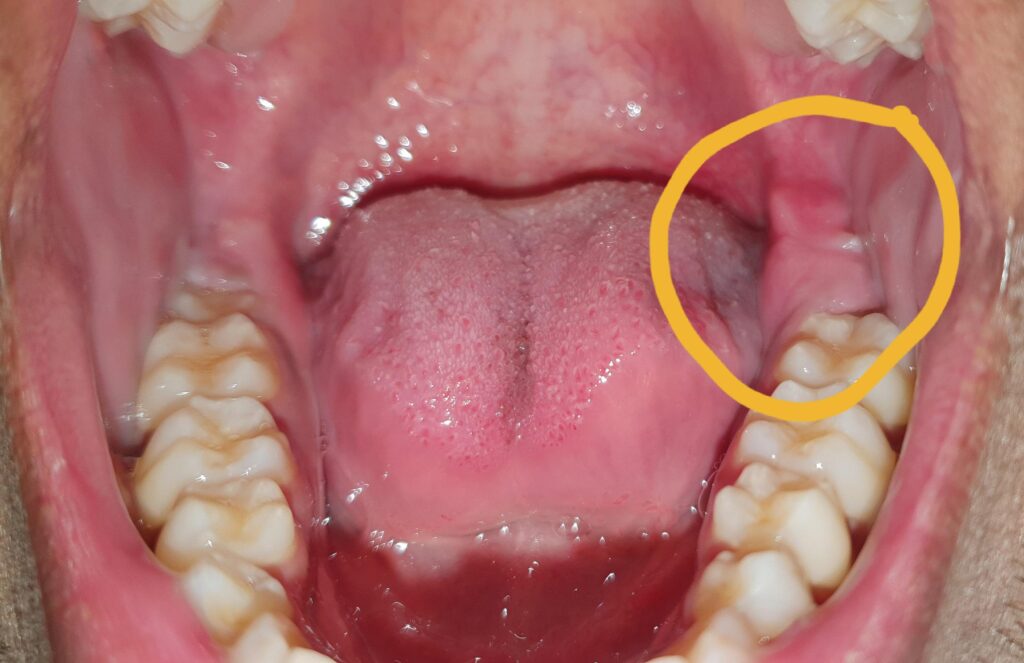
Inflammation around the wisdom tooth area is another clear warning sign. You might notice swollen gums around wisdom teeth, particularly in the back of your mouth. This swelling can extend to your jaw, face, and even lymph nodes in your neck. Tenderness to touch or pressure is also common. Swelling often accompanies pain and can make eating and speaking uncomfortable.
Difficulty Eating or Opening Your Mouth
When wisdom teeth are causing problems, you might find it hard to chew food, especially near the back of your mouth. The pain and swelling can restrict jaw movement and make it difficult to open your mouth fully. This condition, sometimes called trismus, can significantly impact your quality of life and is a strong indicator that professional assessment is needed.
Impacted Wisdom Teeth Symptoms
Impacted wisdom teeth occur when the tooth doesn’t have enough room to erupt normally and grows at an angle, either against the adjacent molar, bone, or gum tissue. Impacted wisdom teeth symptoms can be particularly severe. These include chronic pain, pressure, and tenderness in the jaw.
Other Indicators Beyond Pain
While pain is a primary driver for seeking care, other signs can also point to the need for wisdom teeth removal, even if they aren’t immediately painful.
Recurrent Infections (Pericoronitis)
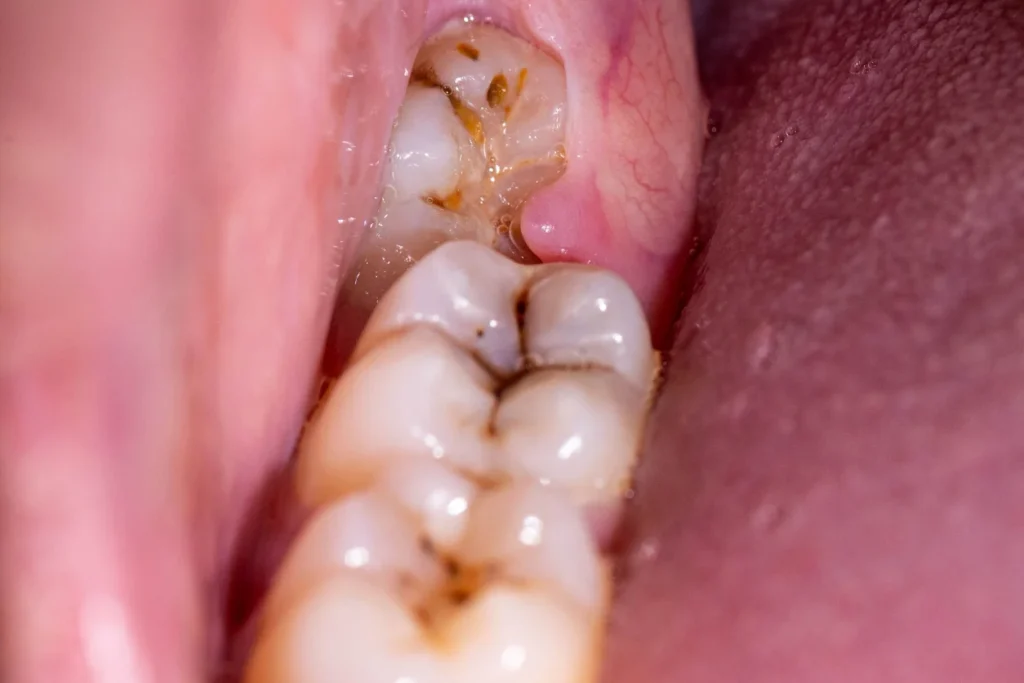
When a wisdom tooth partially erupts, it creates a flap of gum tissue over the tooth, known as an operculum. Food particles and bacteria can get trapped under this flap, leading to a wisdom tooth infection called pericoronitis. Symptoms include pain, swelling, bad breath, and a foul taste in your mouth. These infections can be recurring and, if left untreated, may spread to other areas of the mouth or throat.
Damage to Adjacent Teeth
An impacted wisdom tooth can exert pressure on the second molar, potentially causing damage. This pressure can lead to tooth shifting, root resorption of the second molar, or increased risk of decay due to difficulty cleaning. In some cases, the pressure can even contribute to bite problems or misalignment of other teeth.
Cysts or Tumors
Though less common, a fluid-filled sac (cyst) or, rarely, a tumor can develop around an impacted wisdom tooth. These growths can destroy bone and damage surrounding teeth and structures. Early detection through X-rays during regular dental check-ups is vital for preventing serious complications.
What Happens If You Don’t Remove Problematic Wisdom Teeth?
Ignoring the signs that you need wisdom teeth removal can lead to a range of serious health issues. Delaying treatment can exacerbate existing problems and create new ones.
- Increased Pain: What starts as mild discomfort can escalate into severe, debilitating pain, often requiring emergency dental care.
- Widespread Infection: An untreated wisdom tooth infection can spread to the jaw, neck, and even the bloodstream, leading to more serious systemic health problems.
- Cyst Formation: As mentioned, cysts can grow, weakening the jawbone and potentially damaging adjacent teeth if not removed.
- Crowding and Misalignment: Pressure from erupting or impacted wisdom teeth can shift existing teeth, undoing orthodontic work or creating new alignment issues.
- Tooth Decay: Wisdom teeth are hard to clean due to their location, making them highly susceptible to cavities. This decay can then spread to neighboring teeth.
Don’t Ignore the Warning Signs!
Protect your oral health. If you’re experiencing any of these symptoms, don’t wait. Contact Tsawwassen Family Dental and let our experienced team provide a thorough examination.
Conclusion
Recognizing the signs you need wisdom teeth removal is a critical step toward maintaining optimal oral health. These indicators should prompt a visit to your dentist. Ignoring these warnings can lead to more serious and complicated issues.
If you’re experiencing any concerns about your wisdom teeth, our team at Tsawwassen Family Dental is here to provide expert care and guidance. Contact us to help you get back to your comfort and address your dental needs in Vancouver.
FAQ
Do all wisdom teeth need to be removed?
No, not all wisdom teeth require removal. If they erupt fully, are properly aligned, and can be cleaned effectively, they may not need to be extracted. However, many people lack sufficient space, leading to problems that necessitate removal.
What are the common symptoms of wisdom teeth coming in?
When wisdom teeth are erupting, you might experience mild pressure or discomfort in the back of your jaw. Swelling or tenderness of the gums is also common. If these symptoms become severe or persistent, it’s a sign they might be coming in improperly.
Can wisdom teeth cause headaches?
Yes, wisdom teeth can absolutely cause headaches. Pressure from an erupting or impacted wisdom tooth can radiate to the jaw, temples, and head, leading to tension headaches or jaw pain.
Is serious wisdom tooth pain an emergency?
Serious wisdom tooth pain, especially when accompanied by significant swelling, difficulty swallowing, or fever, can indicate a severe infection or other urgent problem. In such cases, it’s important to seek immediate dental attention.
Do you have experiences or questions about wisdom teeth removal?
Share your questions or concerns below.
Others may benefit from your experience.