

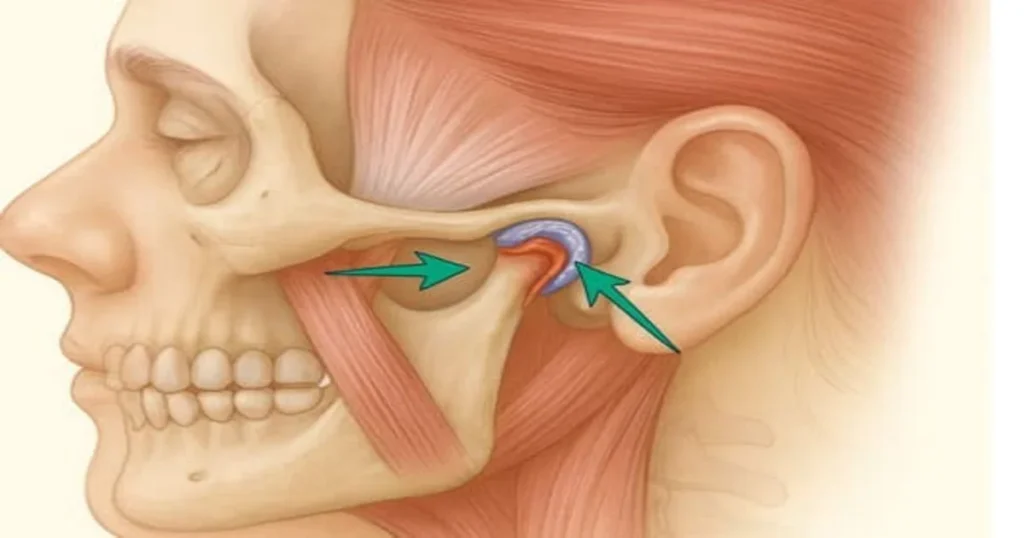
TMJ (temporomandibular joint) pain affects millions of people and can have a profound impact on daily life. Whether it’s jaw pain, difficulty chewing, or headaches, TMJ and jaw problems can disrupt normal activities. Common causes of TMJ pain include jaw misalignment, teeth grinding (bruxism), stress, and trauma to the jaw or face. If you’re suffering from TMJ discomfort, relief is possible, both through self-care practices and professional treatments.
In this article, we’ll dive deeper into the causes of TMJ pain, its common symptoms, and ways to manage or eliminate it, including both home remedies and professional interventions. We’ll also discuss when it’s necessary to see a dentist or specialist for TMJ pain.
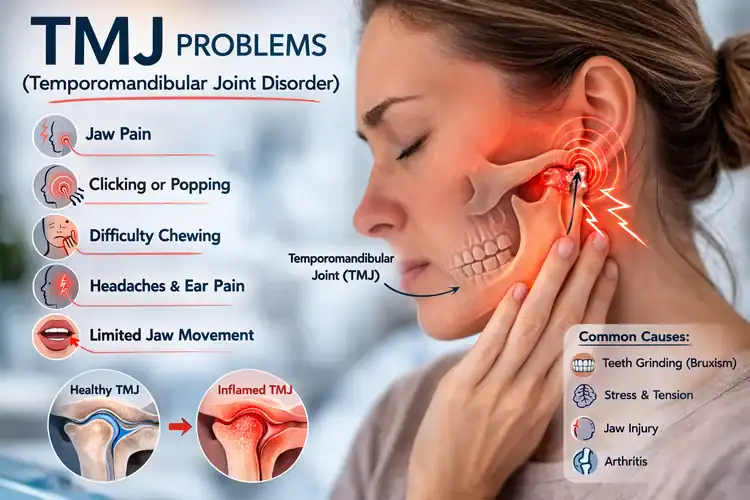
What Causes TMJ Pain
TMJ pain can stem from a variety of factors, often linked to the temporomandibular joint, which connects your jaw to your skull. Here’s a breakdown of the most common causes:
Jaw Misalignment and Structural Issues
A misaligned jaw can put stress on the temporomandibular joint, causing discomfort. When the teeth don’t align properly, it can lead to jaw pain and strain on the muscles responsible for jaw movement. In some cases, orthodontic treatment such as braces or aligners may be needed to correct the misalignment and relieve pain.
Teeth Grinding and Jaw Clenching (Bruxism)
Grinding your teeth or clenching your jaw, especially during sleep, is a common cause of TMJ pain. This condition, known as bruxism, puts intense pressure on the jaw and the temporomandibular joint. Over time, this can lead to muscle tension, headaches, and even joint damage. Using a night guard or practicing relaxation techniques may help alleviate pressure.
Stress and Muscle Tension
Stress is a significant factor in TMJ pain. When you’re stressed, you’re more likely to clench your jaw, tighten your facial muscles, or even grind your teeth without realizing it. Muscle tension caused by stress can worsen TMJ symptoms, especially in the jaw and face area. Practicing stress management techniques like yoga, meditation, or deep breathing can help relieve this tension.
Trauma or Injury to the Jaw or Face
Injuries to the jaw, face, or head, such as whiplash or a direct blow to the face, can lead to TMJ pain. Trauma can misalign the jaw or strain the muscles and ligaments that support it, resulting in discomfort and difficulty moving the jaw.
Read more: Airway-Focused Dentistry
Common Symptoms of TMJ Pain
TMJ disorders can cause a variety of symptoms, ranging from mild discomfort to more severe pain that affects daily activities. Common symptoms include:
- Jaw pain: Aching, soreness, or sharp pain in the jaw joint or surrounding muscles.
- Headaches: Pain in the temples or around the eyes, often resembling a tension headache.
- Clicking or popping sounds: When opening or closing the mouth, you may hear or feel a clicking sound.
- Facial pain: Discomfort around the face, including the cheeks, eyes, and ears.
- Difficulty chewing or speaking: TMJ pain may make it hard to chew food or speak clearly.
- Neck and shoulder pain: Jaw tension can lead to discomfort in the neck and shoulders.
The Mayo Clinic pointed out this symptom:
“TMJ disorders also can cause a clicking sound or grating sensation when you open your mouth or chew. But if there’s no pain or limitation of movement related to your jaw clicking, it’s likely that you won’t need treatment.”
How to Relieve TMJ Pain at Home
There are several steps you can take at home to relieve the discomfort associated with TMJ pain:
- Apply Heat or Cold:
Use a warm compress or heating pad on your jaw to relax tense muscles. Alternatively, a cold pack can reduce swelling if there’s inflammation. - Jaw Exercises and Stretches:
Gentle stretching and jaw exercises can help increase jaw mobility and relieve tension. Your dentist or physical therapist may recommend specific exercises. - Relaxation Techniques:
Practice stress-relieving activities such as deep breathing, meditation, or progressive muscle relaxation to reduce jaw muscle tension. - Avoid Chewing Hard Foods:
Avoid chewing gum, tough foods, or anything that requires excessive jaw movement. Stick to softer foods to reduce strain on your jaw. - Night Guard for Bruxism:
If you grind your teeth at night, wearing a night guard can help prevent further damage and reduce muscle strain on the jaw.
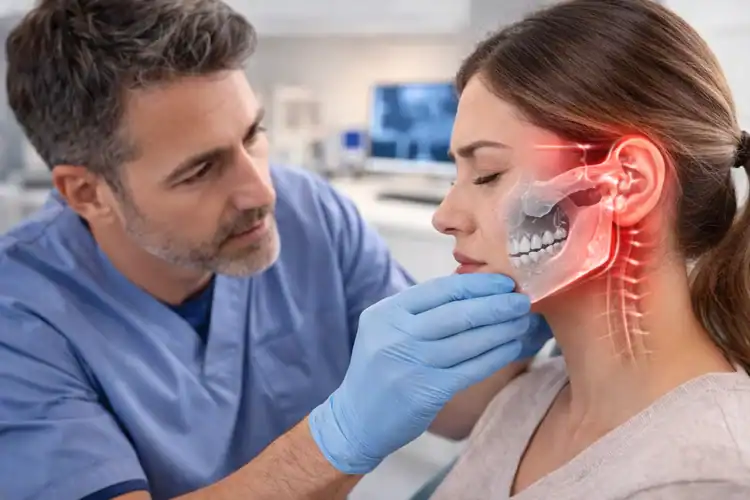
Professional Treatments for TMJ Pain
If home remedies don’t provide sufficient relief, or if your symptoms are severe, it may be time to seek professional treatment. Dentists and specialists can offer more advanced interventions:
- Orthodontic Treatment:
If misalignment of the teeth or jaw is causing your TMJ pain, braces or Invisalign aligners may be recommended to correct the issue and provide long-term relief. - Physical Therapy:
A physical therapist can help you perform exercises to strengthen the jaw and improve flexibility. They may also use manual therapy techniques to relax tense muscles. - Corticosteroid Injections:
For severe inflammation, your dentist may suggest corticosteroid injections to reduce swelling and alleviate pain. - Surgery:
In rare cases where other treatments haven’t worked, surgical intervention may be necessary. This could involve repairing the joint or aligning the teeth.
Read more: Myofunctional Therapy
When to See a Dentist or Specialist for TMJ Pain
You should see a dentist or specialist if your symptoms persist, if you have difficulty moving your jaw, or if your pain worsens over time. Additionally, if your TMJ pain is affecting your quality of life, interfering with eating or speaking, or causing chronic headaches, it’s essential to seek professional help.
A dentist with experience in treating TMJ disorders will be able to evaluate your condition and recommend the most appropriate treatment plan for you.
Suffering from TMJ Pain?
If you’re experiencing TMJ pain, we offer personalized treatment options to relieve your discomfort. Whether it’s orthodontic treatment, bruxism solutions, or other therapies, Tsawwassen Family Dental has the expertise to get you back to feeling your best. Contact us today to schedule an appointment!
Take Action Against TMJ Pain Today
TMJ pain can be a disruptive and frustrating condition, but understanding its causes and knowing how to manage it can significantly improve your quality of life. From jaw misalignment to stress and teeth grinding, addressing the underlying causes of TMJ disorders is the key to finding relief.
At Tsawwassen Family Dental, we offer a range of treatments to help you manage and treat TMJ pain. If you’re struggling with TMJ discomfort, don’t wait; reach out to our experienced team for a personalized treatment plan tailored to your needs.
FAQ
-
Can stress cause TMJ pain?
Yes, stress is a major factor in TMJ pain. Stress can cause you to clench your jaw or grind your teeth, leading to muscle tension and jaw discomfort. Managing stress through relaxation techniques can help alleviate symptoms.
-
Is TMJ pain permanent?
No, TMJ pain is not necessarily permanent. With the right treatment, whether it’s orthodontics, stress management, or physical therapy, many people find significant relief from TMJ pain.
-
Can braces or dental treatments help with TMJ pain?
Yes, if TMJ pain is caused by jaw misalignment, braces or Invisalign can help correct the issue, reducing pain and improving jaw function.
Have you experienced TMJ pain?
Share your story in the comments below and let us know how we can help you find relief.